

Rye News recently published the news of a donation by Jempsons in Peasmarsh of £100 to Strandliners who have been busy clearing much plastic, amongst other things from the river banks and beaches.
The irony of this, of course, is that some of that plastic will have come from Jempsons itself. As our largest local grocers, whether in Rye or Peasmarsh it is inevitable that packaging from some of their plastic-wrapped and oh-so-convenient goods will be carelessly thrown away and end up in our rivers or in the sea.
But are Jempsons to blame for this?
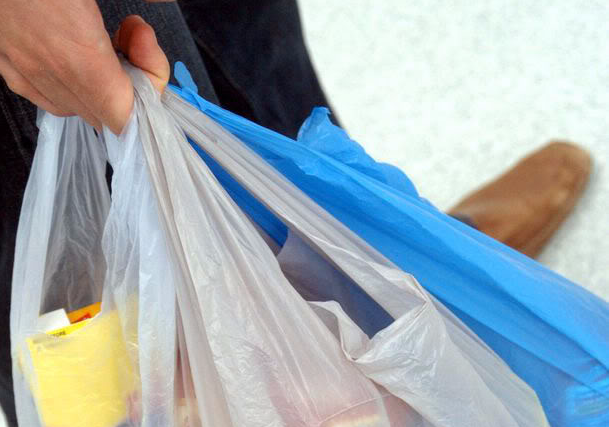
In part, of course, yes, because they sell the sell the stuff. But not all the blame lies there or with other shops and supermarkets. Most of the blame lies squarely with us, the consumer.
We are, after all, the people who buy plastic-wrapped food and other products. It so often makes sense to do so: it's clean, hygienic, easy to carry, easy to pack in plastic carrier bags and often easy to store when we get home.
The convenience of all this is undoubtedly welcome but is is necessary, do we really and truly need it?
I am old enough to remember a time when carrier bags were strong paper, fruit and vegetable were put loose into brown paper bags and bread was simply wrapped in a tissue-like paper. And so far as I recall, half the population didn't die of food poisoning or related diseases.
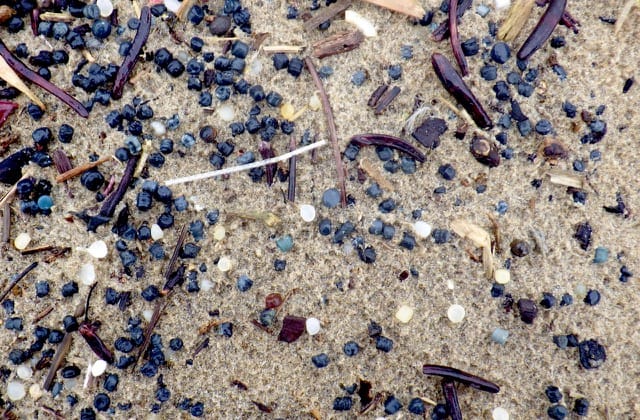
Plastic was once seen as a blessing, but we have allowed it to become the scourge of the 21st century and the truth is we don't need most of it. It litters verges, river banks and beaches, it pollutes streams, rivers and seas. It is ingested by birds fish and animals and if it doesn't kill them (which so often it does) it can pass via them into the human food chain and plastic is no better for us than it was for the creature who originally ate it.
We don't need fruit and vegetables wrapped - if you are worried about hygiene, then wash them when you get them home - we don't need meat and fish double or triple wrapped, we don't need to drink 'mountain fresh' still water out of disposable plastic bottles - it's even more expensive that petrol and what's wrong with tap water (if one is that fussy, it can even be filtered), and how many of the blister-packed hard goods that we buy need to be blister packed? The list can go on and on.
But what can we, the ordinary buying public do about it? How can we put pressure on supermarkets and the commercial giants who supply them? The answer is simple, don't buy plastic-wrapped products. Easy to say but it takes more effort to carry such good intentions out. It can be done, though, and if we are to save our rivers, oceans, even fields and the creatures (and therefore our food) who live in all of them, we must make the effort.


