


Elsewhere in the paper this week, we have two stories looking at the ecology of our coastline, one focusing on pollution and the other on sustainability, and with the start of the visitor season only weeks away and thousands due to enjoy our beaches, it seems an opportune moment to consider how we can influence both these factors.
Many readers will have seen a campaign running in parts of the national press with the slogan, 'Turn the Tide on Plastic' – a phrase first mentioned in Rye News last year and since taken up by others. There is no doubt that plastic, that cheap and so-useful material, is seen as one of the principal 'bad boys' when it comes to pollution.
The problem, of course, is caused by its very success. Almost everything we buy – food, clothes, household items is wrapped at some stage of its journey from manufacturer to customer, in plastic or contains plastic. We have single-use plastic containers for milk, water and other drinks, together with plastic straws to drink them with. Plastic cups and mugs are standard issue with water, tea and coffee dispensers and so much of our food these days is wrapped or double-wrapped in it – often needlessly.
Some of this is recycled, a vast amount goes into landfill and more goes into the rivers and the sea. But do we really need to use so much and do we need to throw away so much of what we use? Because there are alternatives.
There is already a proposal to ban plastic for drinking straws and suggestions are being made to charge a deposit on single-use drinks containers. Some supermarkets (but not yet in Rye) are providing points where water bottles can be reused by refilling with tap water.
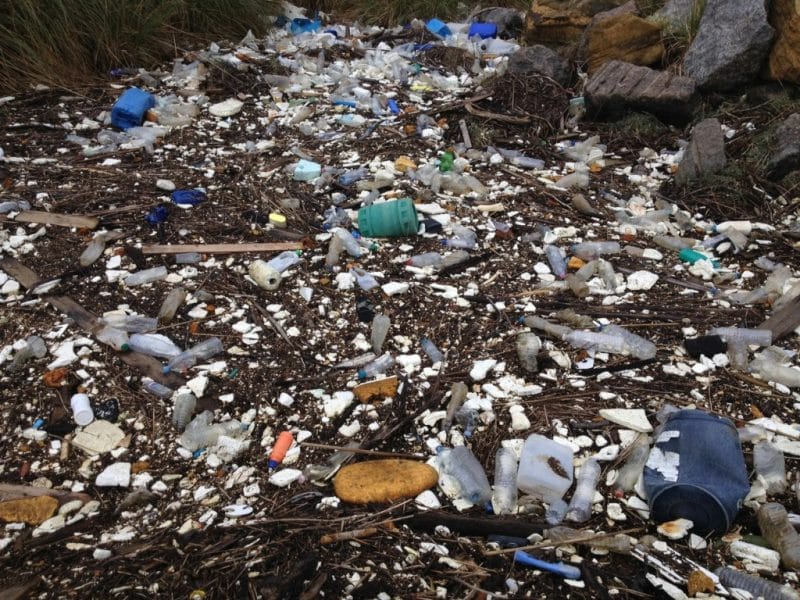
Do we really need so many of the vegetables that we buy to be wrapped? It is easy to see the convenience of, say a bag of potatoes but is it really necessary to wrap individual cauliflowers or broccoli? We are offered plastic shopping bags at checkouts. Before the days of plastic these were made of stiff paper, why not do this again? The current levy on plastic bags, if transferred to paper ones would cover the possible additional cost.
But not all the blame should lie with manufacturers or shops. Disposal of plastic needs to be improved too. Many households now have recycling bins, but are the contents always recycled? Anecdotal evidence would suggest not, with much recyclable material being lumped in with general rubbish, and the responsibility lies with district councils to ensure that their waste-disposal contractors do the job properly that we, the council tax payers, pay them to do.
In her article, Heidi Foster points out the dangers to marine life, with both birds and fish being found to have died of starvation, having filled their stomachs with indigestible plastic, and other marine life – including our prized Rye Bay scallops – is also affected.
So this summer all of us, as individuals, should consider the effect we are having on the world around us. Re-use single-use bottles, re-use carrier bags, avoid food and other items that are unnecessarily wrapped and choose instead something else.
No one is suggesting that the waters around our coast are going, yet, to become another version of the great Pacific garbage patch, but by buying wisely, keeping the pressure on local councils and re-using wherever possible, we can make a difference.


