The recent court case involving “The White Witch of Rye” evokes memories of earlier trials in Rye’s history, says town crier Paul Goring. There are some graphic stories in his report.
In 1561, an elderly lady, known as Mother Margery, who lived in almshouses near the Landgate in Rye, was arrested on suspicion of witchcraft. Various people against whom Margery bore a grudge had fallen ill with a horrific, flesh-eating disease – clearly some form of necrotising fasciitis. The effects of the disease on its victims was so traumatising, that one victim hanged himself rather than live with the pain. As all the victims had been enemies of Margery, Margery was suspected of causing the disease by witchcraft.
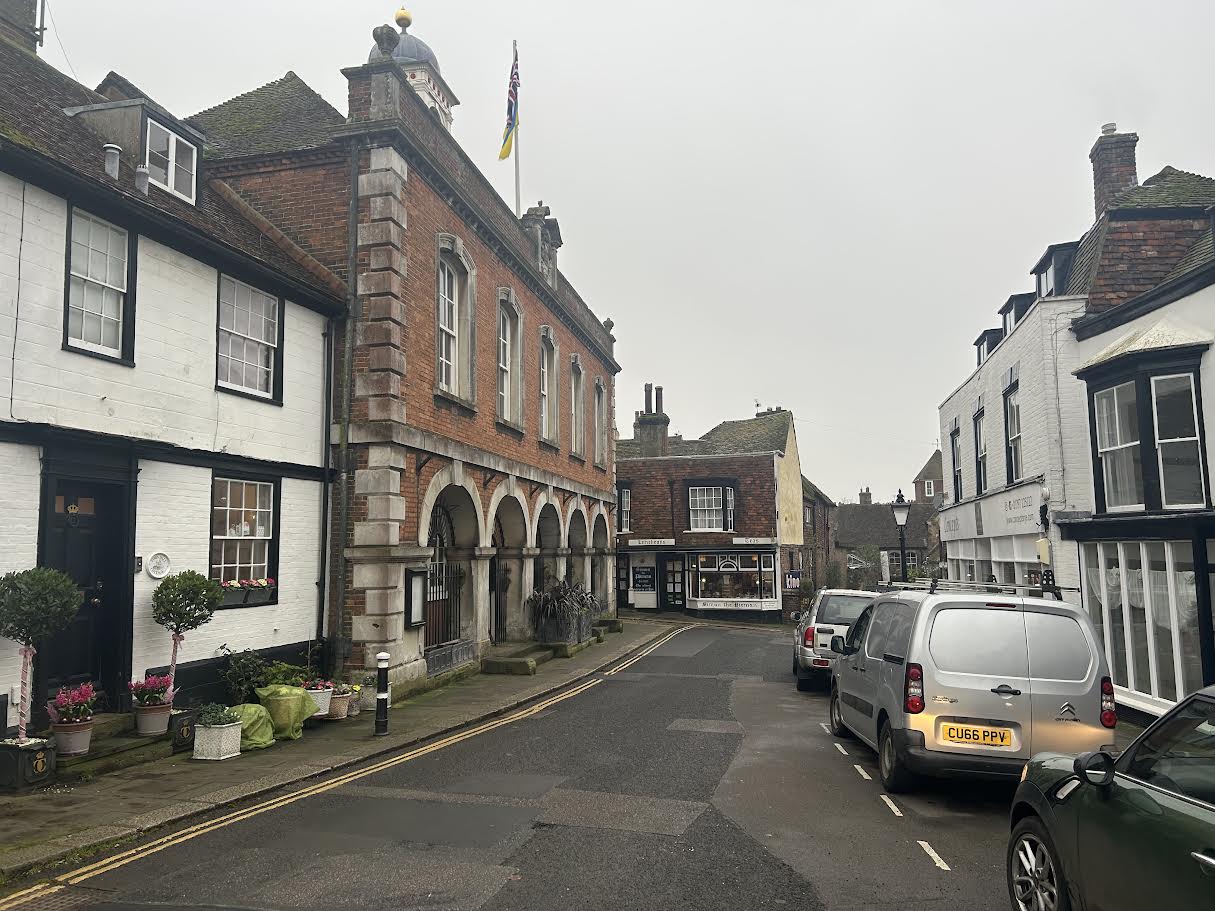
On arresting her, the magistrates noticed a strong smell of rotting meat in her house. The premises were searched, and a large quantity of decaying beef was discovered. Margery was charged with witchcraft and, at her trial in the Court Hall (on the site of the exiting town hall), Margery admitted that the rotting beef was part of a spell – as the beef decayed, so her victims’ flesh would decay.

The horrified magistrates were unable to impose a death penalty on Margery, as the law required that, for a death sentence, at least one of her victims should testify in court against her. Margery’s victims were so terrified of the magical punishment which Margery might unleash against them, that not one of them agreed to appear in court. As a result, the court was only able to impose a punishment of whipping (the whipping-post was outside the town hall), followed by banishment from the town. A letter written by the town council outlining the reasons for Margery’s banishment still exists.
As a result of Margery’s trial and admission of guilt, the townsfolk of Rye became convinced that there were powerful witches living in the town, capable of passing evil curses, and so began over 80 years of witch-panic, resulting in Rye having more than double the number of witchcraft trials of any other town or village in Sussex.
In June 1570, John Page, a reasonably wealthy Rye resident, was arrested for "practising enchantments"; magistrates discovered an entire library of "books of magic" in his home. John was placed in the pillory, in Market Street, and forced to watch as the magistrates piled up his magic books into a bonfire and burned them.
In 1593, Elizabeth Drynkwater of Rye became concerned that her child’s illness was the result of witchcraft; she consulted a known wizard, Zachariah of Hastings, who advised her that the child had been bewitched by a Mother Rogers of Rye, and that to lift the curse, Elizabeth had to stab Mother Rogers in the buttocks with a dagger, deep enough to draw blood. Feeling that stabbing someone in the bottom was a rather immodest act for a woman, Elizabeth stabbed Mother Rogers in the hand, instead. Instantly, the child was cured.
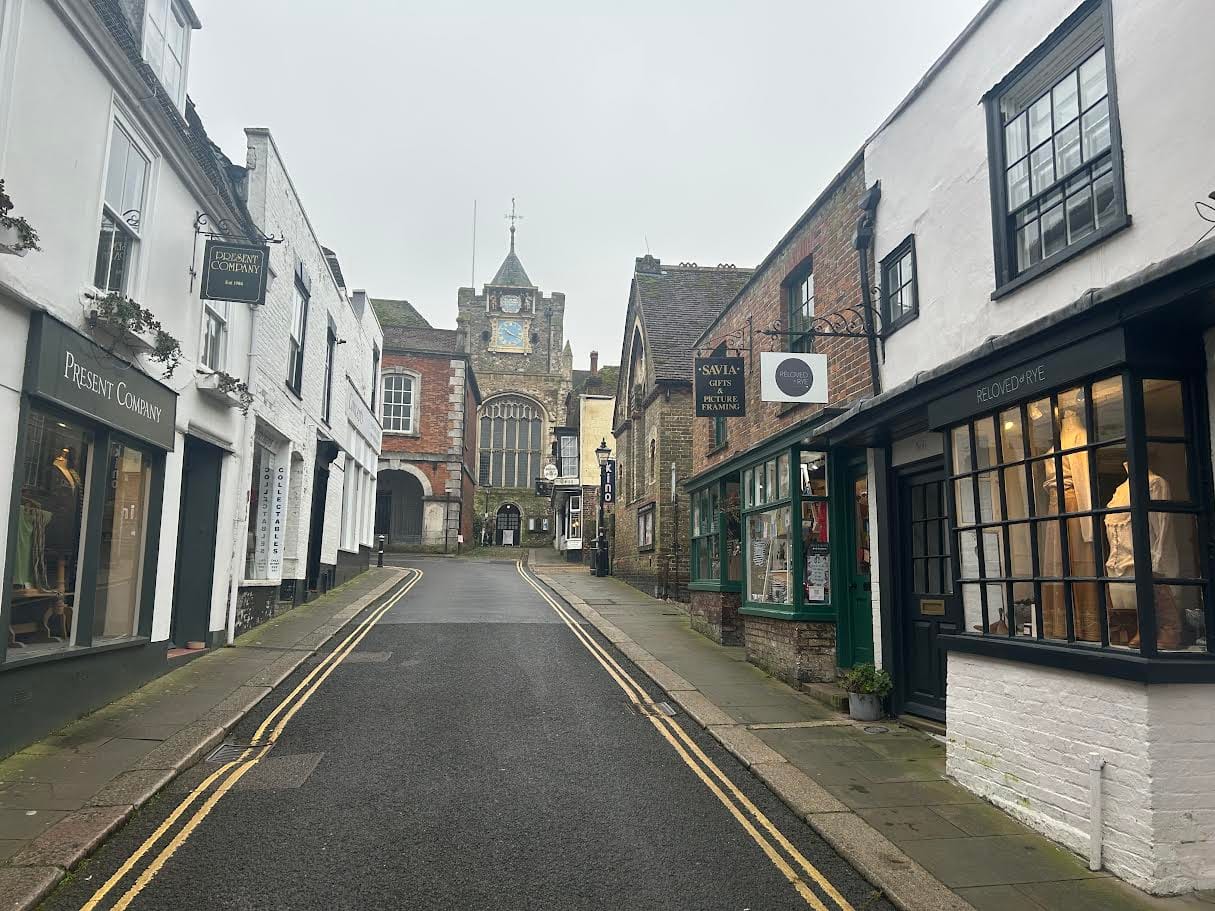
Rye’s most shocking witchcraft case was heard in 1607. Two women, Anne Taylor and Sue Swaffer, respectable enough in all other aspects, were living in Lion Street, in houses which still exist today, and were gaining a reputation as "wise women". They had started off issuing potions and spells for illnesses, but soon their lives became somewhat more fantastical.
On one occasion, they claimed a fairy princess had directed them to dig up a neighbour’s garden in search of treasure; soon Sue was claiming to conjure up spirits in her bedroom. These spirits began appearing all over town and playing tricks on the townsfolk - the mayoress even testified in court that, as she handed out the vegetables at a posh dinner party, the spirits made all the vegetables turn into male genitalia! Things eventually turned sinister – the spirits began foretelling the deaths of local people – including the mayor, Thomas Hamon. Deaths began to be attributed to the spirits – two of Anne Taylor’s children died of fright after being forced to meet the spirits; a neighbour was killed by an exploding cannon and a maid, who had purchased a toothache remedy from Anne died in mysterious circumstances.
With the mayor and Corporation turning against the pair, Anne Taylor was heard to curse Mayor Thomas Hamon – she was heard shouting in the street that she and Sue were going to send the spirits to seize the mayor all down one side. Two weeks later, Hamon had a stroke and was paralysed down one side, and eventually died. Anne and Sue were arrested on witchcraft charges relating to the death – Anne, with her wealthy family, managed to bribe her way out of the charges, but Sue spent several years in the Castle Prison (Ypres Tower), until a change in the law forced the town to release her.
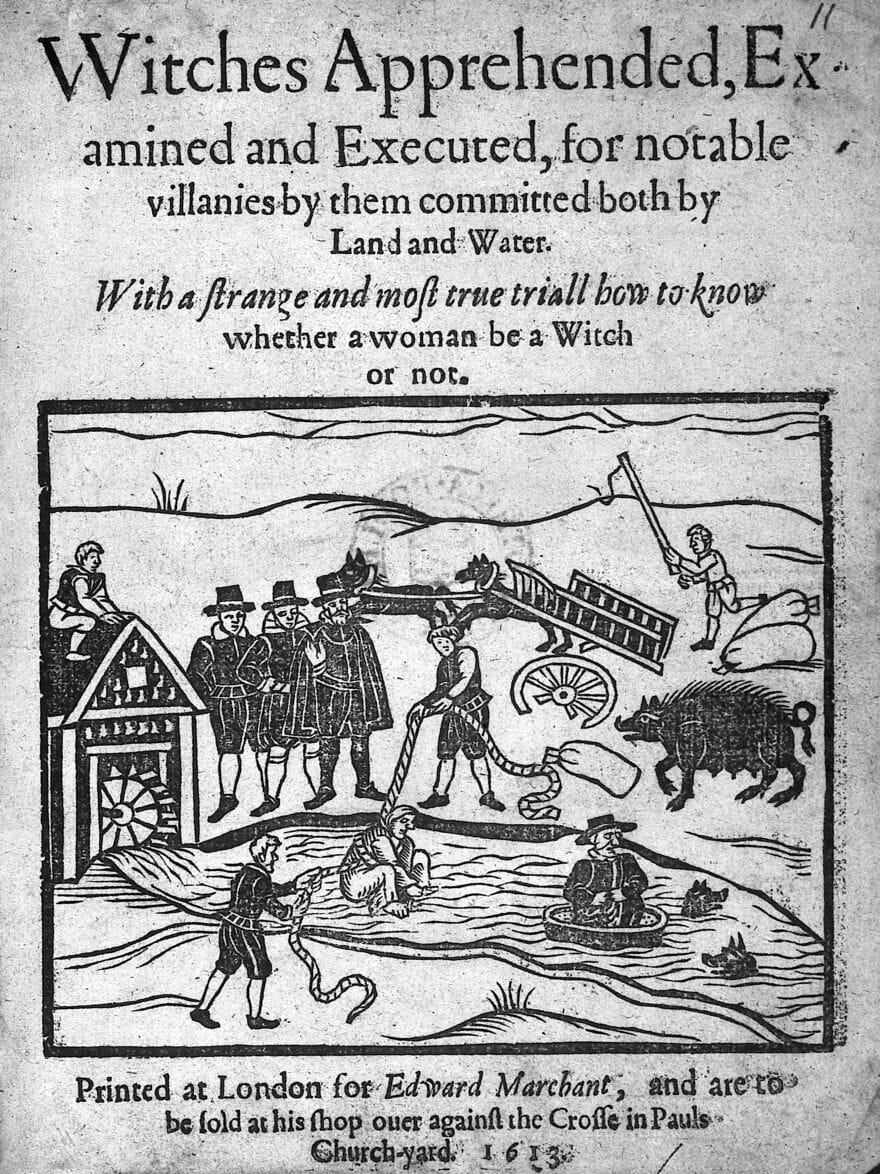
In 1645, Francis Royale, living near the Strandgate, accused her neighbour, Ann Hounsell of being a witch – she claimed Ann could turn into a dog; would magically appear in Francis’s bedroom, apparently with a sexual motive; and that Ann would even float in the air outside Francis’s bedroom window before entering the bedroom through the window-glass. The mayor ordered Ann to be tried by witch-ducking in the harbour at Strand Quay – she was to be tied up and dropped in the water, and, if she floated, was to be considered guilty of witchcraft. Ann presumably floated, as she was hanged for witchcraft shortly afterwards.
Ann Hounsell’s hanging marked Rye’s last witchcraft trial – however, accusations still occasionally cropped up – in 1668, a Henry Marten suddenly dropped dead in the town hall during the mayor-making ceremony; his wife, Alice, was accused of causing the death by witchcraft, but, apparently, the accusation had malicious, political motives, so it appears that the case never came to trial.
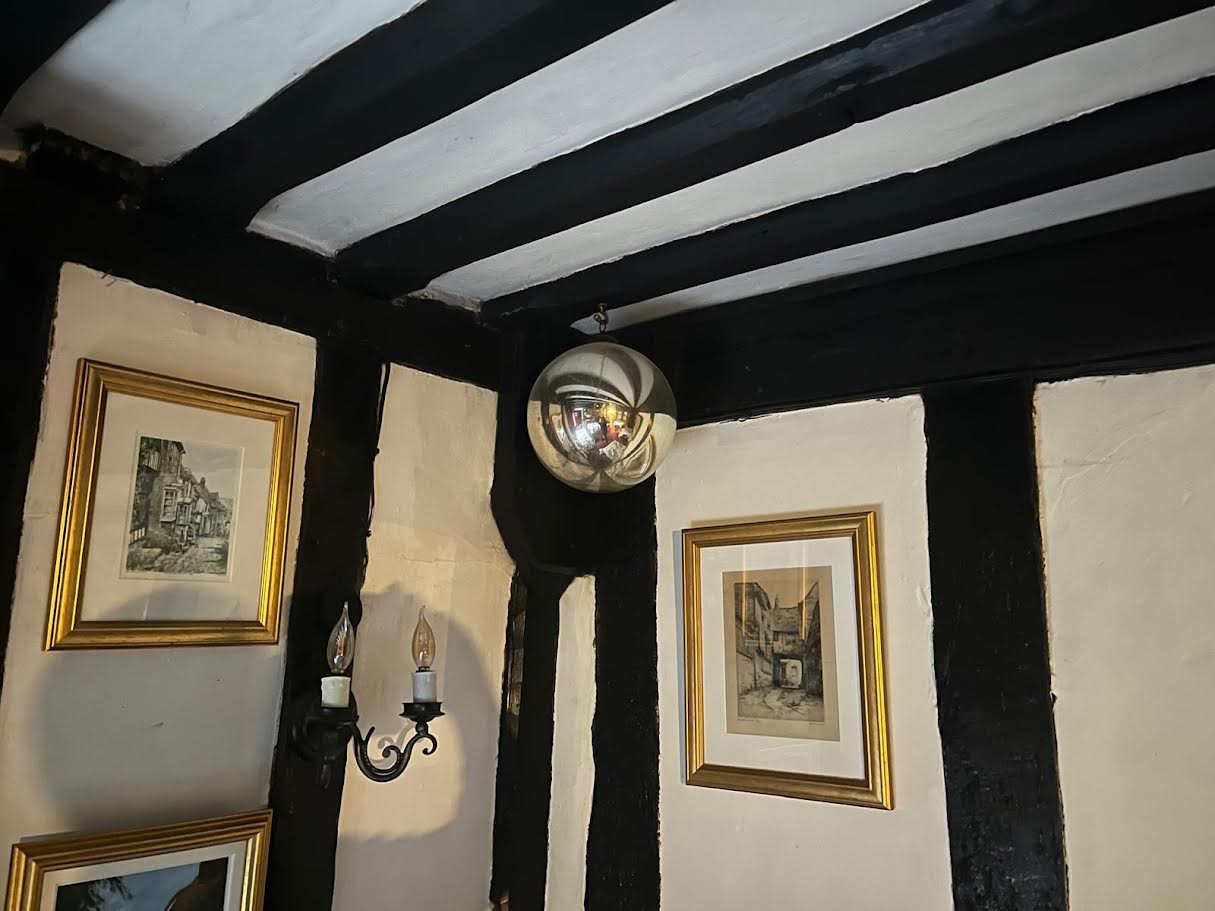
Relics of Rye’s witch-panic are still around in Rye – the “witchballs” which can be seen in various local pubs, were devised during this time as a protection against witches: a witch’s curse would supposedly be reflected from the witchball onto the witch herself; and in Church Square, we can still see a house hung with strings of "hagstones" – pebbles with holes in – as a protection against witchcraft.
You can read the full story of the 2025 court case in this Rye News article.