Despite no longer generating power, Dungeness continues to provide the local area with significant economic opportunities and community support. An exhibition held in Rye on October 20 and 21 gave local residents an opportunity to ask questions about the decommissioning project and future of the site. Around 60 visitors took advantage of visiting the Rye event, with a further 65 visiting in New Romney.
The project, managed by Nuclear Restoration Services (NRS), part of the UK Nuclear Decommissioning Authority, started in 2006, and could continue for up to 50 years. This brings wide-ranging employment opportunities, including apprenticeships, as the necessary skills are developed to decommission the 15 sites that make up the older generation of Britain's nuclear infrastructure.
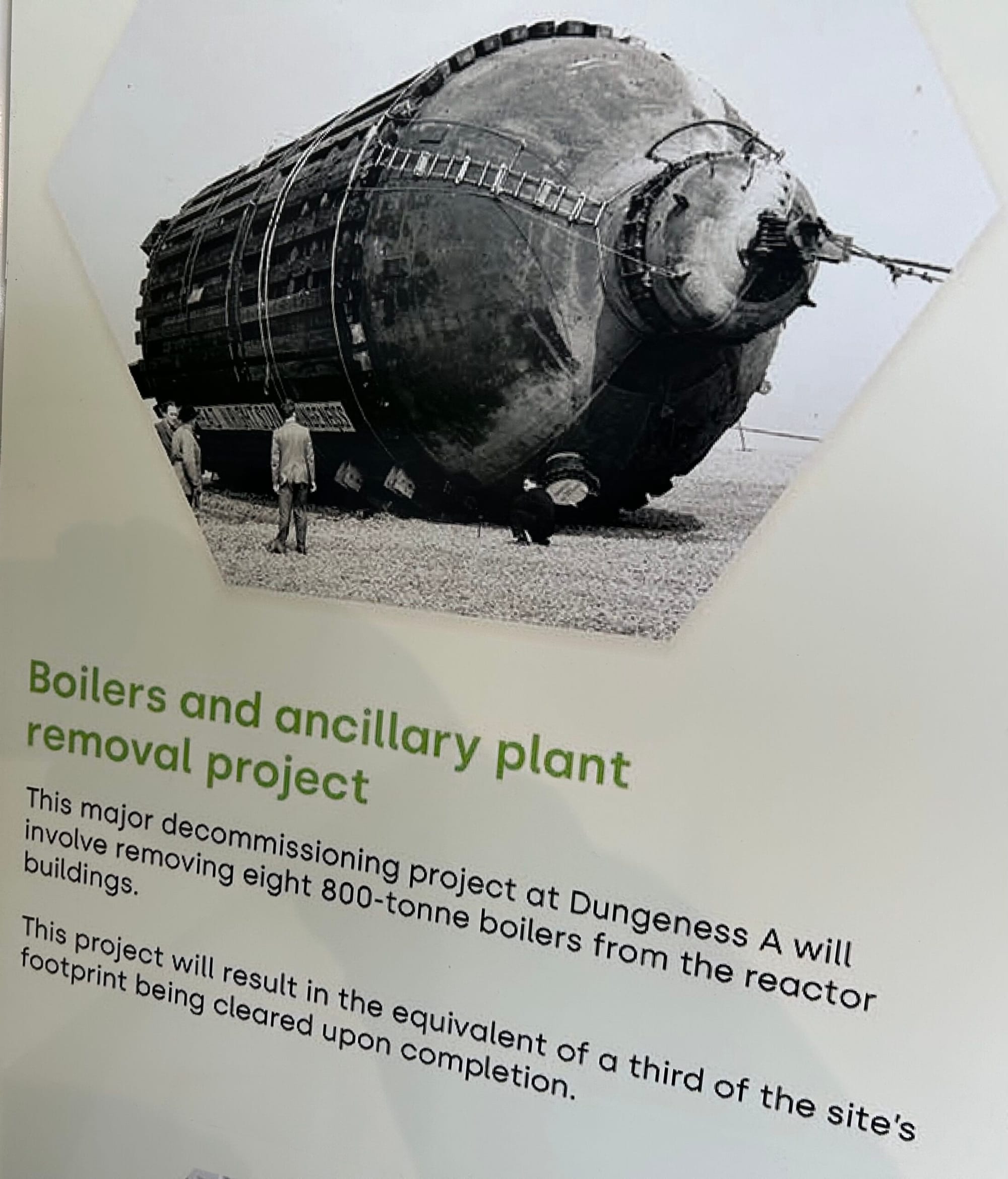
Ultimately most of the buildings at Dungeness A and B will be removed, while leaving and protecting the main reactor buildings. This is a major engineering project, and includes, among many other challenges, the removal of eight massive 800- tonne boilers from the site. This requires the development of new skills and capabilities to both remove the infrastructure and ensure the long-term safety of the site.
Visitors included someone waiting for a bus to Hastings who “wanted to know how the skyline would change as the project develops”. Another resident “used to know someone who worked there” and was interested in the long-term use of the site, hoping that the the infrastructure already in place would be used for a new nuclear power station.
Kayleigh Ridley, from NRS, described the technical activities underway but also emphasised the commitment of NRS to the local community, with wide ranging educational, environmental protection and charitable programmes in place involving over £1.3m of investment to date. Open communication on the project is also a high priority, with a site stakeholder group available to anyone interested in learning more.
Interestingly, visitors could take the opportunity to suggest long term uses for the site, with options including a business park, nature park, solar farm or a new nuclear facility. During my visit at least, the construction of a new nuclear power station seemed the most popular, a view reinforced by a significant majority of visitors to both the Rye and New Romney events supporting "new nuclear".
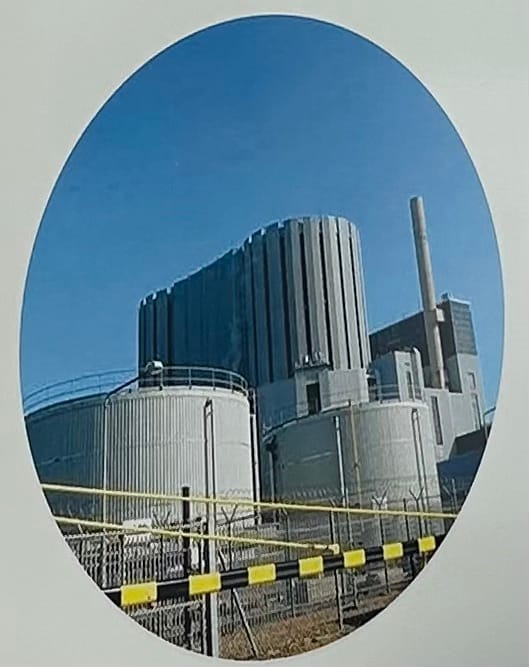
Dungeness, which since 1961 has been a highly visible landmark in the area, will change forever. Most of the structure will disappear, leaving only the reactor buildings to be seen across Rye Bay. Nevertheless, important nature conservation and flood protection works will continue, awaiting whatever new use the area will be put to.