Welcome to M’s author corner.
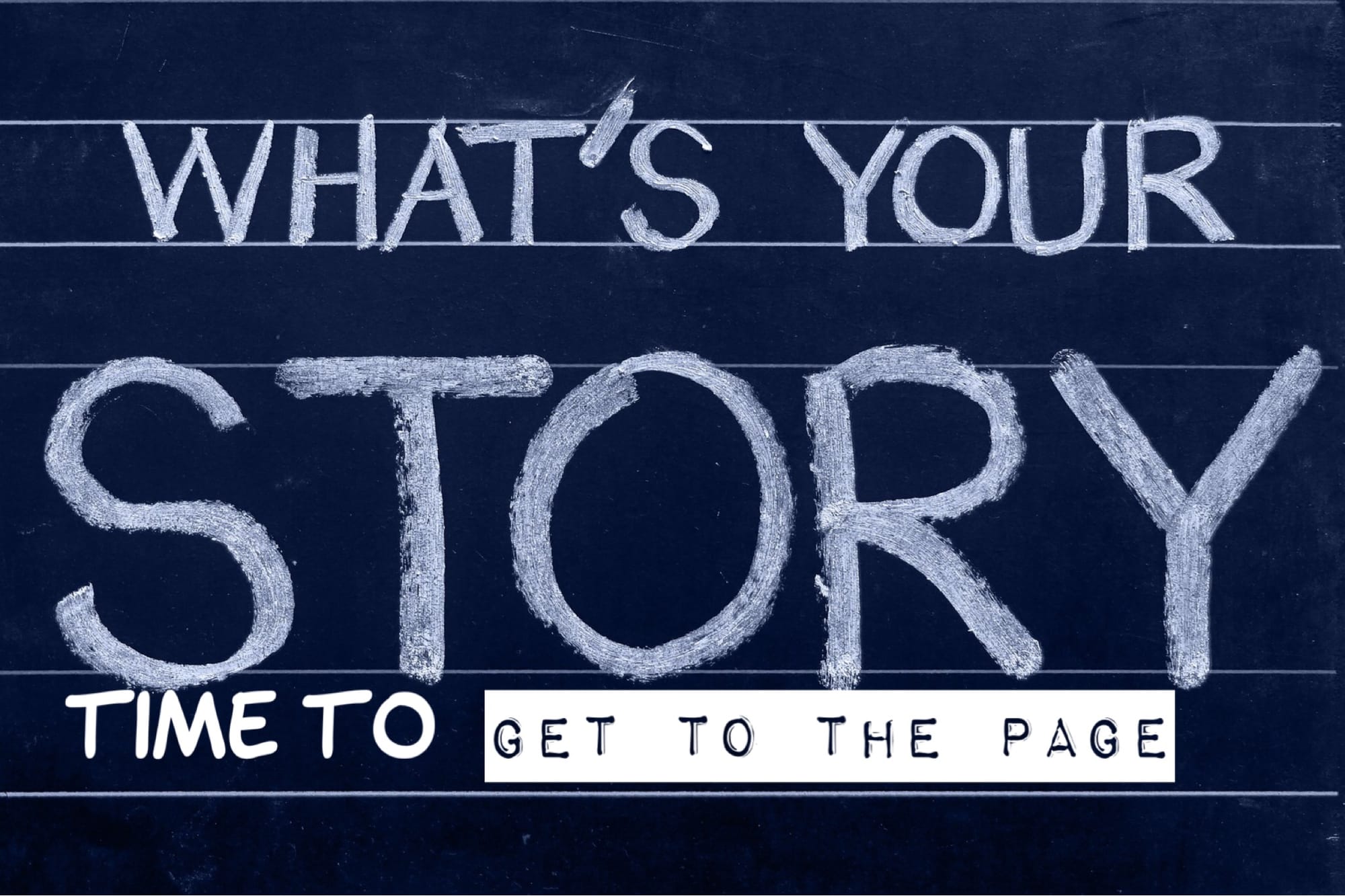
Every November, we celebrate National Novel Writing Month. The idea is to write a novel in 30 days. Phew! A tough call even for us published authors. Don’t be alarmed, but have you considered that this month could be the time to write the story you have often talked about? It has been said that: “Talking is cheap, knowledge is a powerful tool, but only if you commit to action what you know.”
In 2014, the corporate world suggested that storytelling is the new buzz word for businesses to develop their brand and raise their company’s profile further. A personal story has become significant in delivering presentations to potential customers. Through storytelling, healthier and more engaging relationships can extend into a global world of business too.
“People hear statistics, but they feel stories,” says Brent Dykes, Data Strategy Director.
Competition
We are asking if you, the reader, will grab the opportunity, dive in, and write a micro fiction story up to 500 words and send it to editor@ryenews.org.uk
The closing date for entries is November 30 and we will print the most captivating story in Rye News in December. The winner of the story competition will receive festive gifts, including a signed copy of my latest novel, Second Chances, a voucher for Rye Bookstore, and other goodies.
Writing full time since 2008 (initially short stories, articles, poetry, and blog posts), my first book was published in 2013. My goal has always been to continue to develop my craft.
I would like to offer some of my tips for writing micro fiction stories:
Put time aside to develop your idea. What do you wish to write and achieve? A well-written micro fiction story needs an instant hook to grab your reader’s curiosity.
Twenty minutes a day will see you to writing The End.
Focus on the core elements in your story. To show is key. Best not to tell unless it’s absolutely essential.
Even though words are limited, develop relatable characters, a maximum of two, with distinctive voices.
Briefly describe the atmosphere and setting of your story. Perhaps use the senses, vibrant colours, or humour.
Connect with your readers on an emotional level to draw them into your imaginative world.
Ensure the middle and ending are equally memorable, leaving readers wanting more.
Proof-read your work. A great way to edit is to read aloud, feel the story, and how it flows.
Share it with a friend who reads or writes a lot, someone you trust to give constructive feedback.
"Like gentle flowing water, there is a constant stream of stories unfolding within us. What is yours to tell, share and inspire others to read and write?"

It’s time for you to get onto the page. Enjoy the process, have fun and remember to write from the heart. Until next month… happy, cosy autumn days of reading and writing.
With my warmest wishes and good luck,
Miriam
www.miriam@miriammcguirk.com