


At a time when things like foreign factory trawlers and climate change have conspired to make life even harder for our local heroes in Rye’s fishing fleet, the arrival of a brand new route to market might have been seen as a real opportunity.
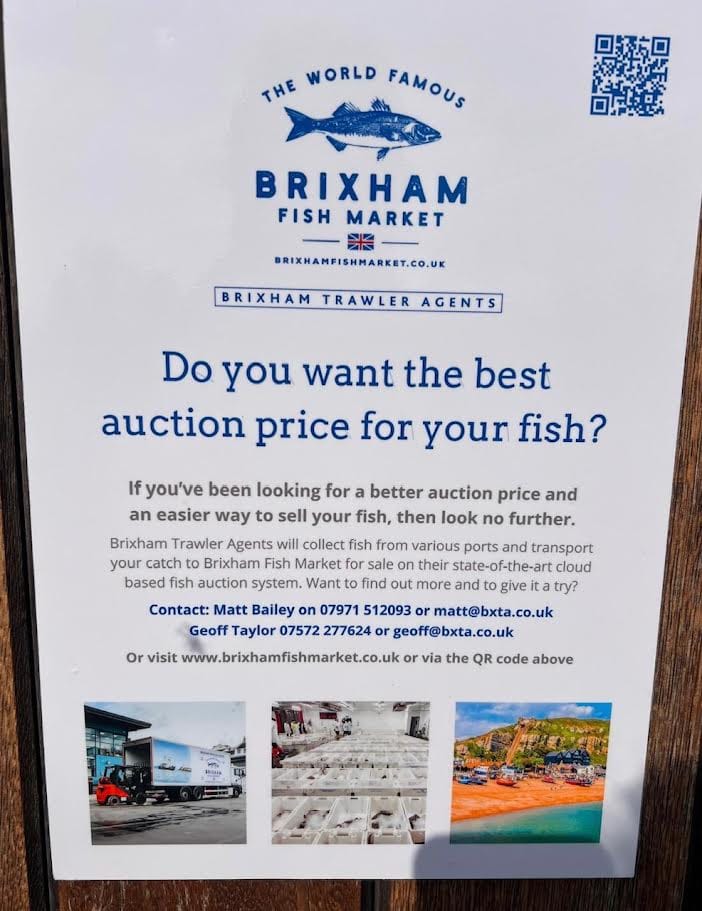
Brixham Fish Market arrived on Simmons Quay earlier in the year, in direct competition with existing local fish market, Chapmans. Simmons Quay is managed by the Environment Agency as is the rest of the harbour of Rye. Locals will be familiar with Rye Bay Fish, one of our local fishmongers and also with Rye Fish Market and Seafood Bar run by Chapmans. Both outlets are at either end of Simmons Quay. It is clear from social media posts Rye Bay Fish are much more positive about the arrival of Brixham in the harbour.
As ever it is our own fishing community themselves who are squeezed by dwindling fish
stocks, increasing fuel and equipment costs and the effect of huge foreign owned factory trawlers. Brixham Fish Market has benefitted from years of funding from the former government that has seen tens of millions of pounds go to the now market leader in southern England. Chapmans, a fish merchant with a smaller market presence, have benefited from a lesser (but very welcome) £150,000 grant from the UK Shared Prosperity Fund, secured last year by Cllr Christine Bayliss, Leader of Rother Labour Group and Deputy Leader of Rother.
With their funding, Chapmans set about creating the Rye Seafood Bar where locals and
visitors enjoy seasonal, fresh and high quality seafood, often straight from the boat. It is prepared by locals, has created jobs and generates revenue locally. What do Brixham bring in comparison?
Brixham’s model is one of “hub and spoke”. They buy fish landed in Rye, put it in a fridge (they also have these units at Hastings, Ramsgate and across the south) and then truck it to Brixham where it is auctioned and trucked to buyers. By law and regulations it must be taken to Brixham first even if its landed in Rye - this was confirmed to me by Matthew Bailey of Brixham Fish Market. They have developed their business model rapidly using government funding earmarked for our beleaguered fishing industry.
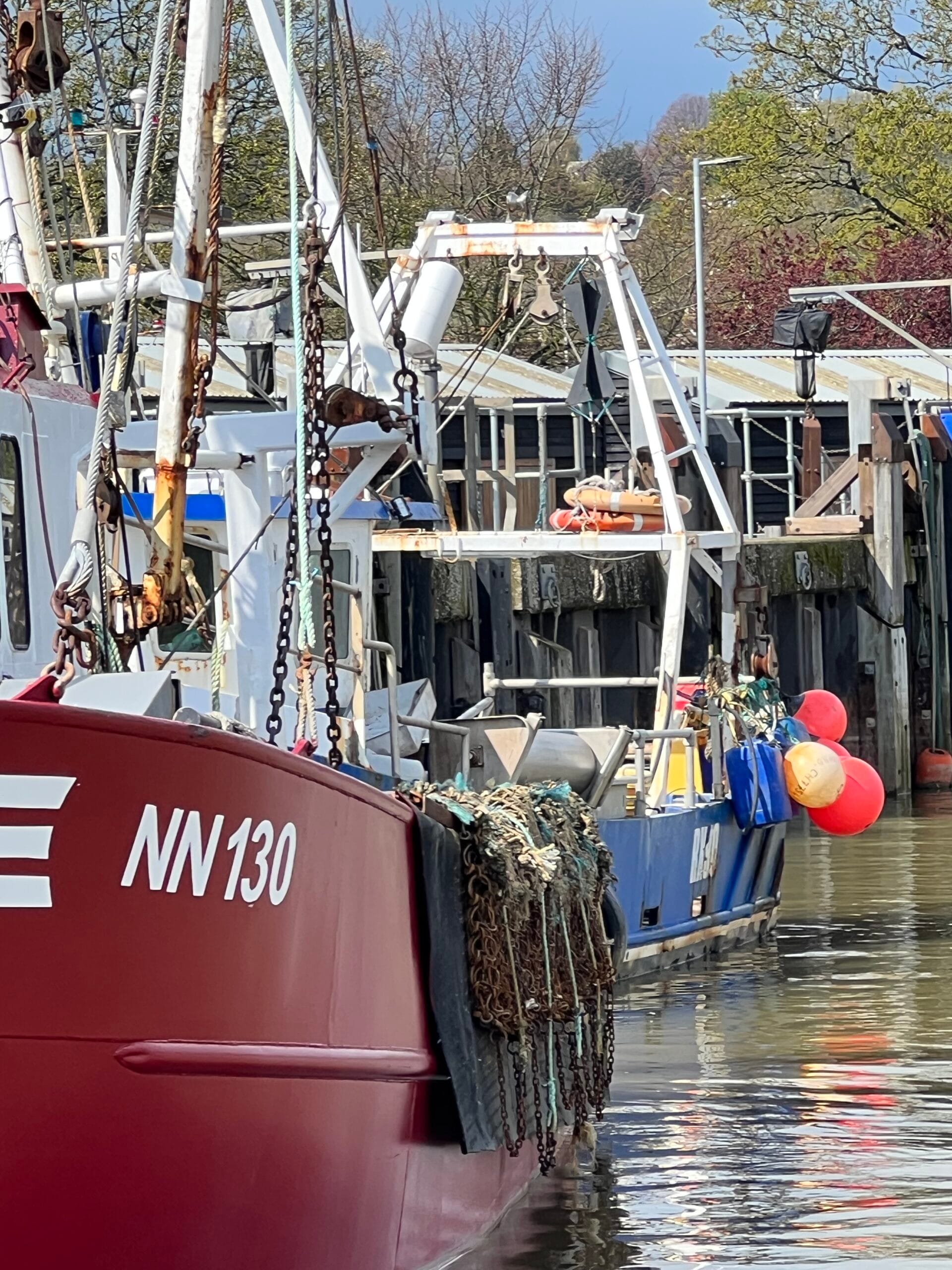
There are clear concerns about fair competition when Brixham have had so much funding compared with Chapmans. The impact of thousands more food miles is far from sustainable (their sustainability statement is incredibly vague) and damages the environment. What will happen to Rye’s fishing fleet when this economically and environmentally unsustainable model is no longer profitable?
Over the last 12 months I have been writing to the Environment Agency and our former MP. We were promised a visit by senior Environment Agency managers which failed to materialise.
How can we ensure our sustainable, local fishing fleet of small boats thrives and is
supported by companies with an interest in our community alongside a fair and equitable funding process?
Our new MP, Helena Dollimore made reference to our local fishing industry in her maiden speech in Parliament. We want to see a fair and level playing field for businesses of all sizes to prosper in and for everyone to support our vulnerable fishing communities who are an intrinsic part of who we are as a town.


