Over 2,000 years ago the Celts, who lived mostly in what is now Ireland, the United Kingdom and Northern France, celebrated their annual festival of Samhain, pronounced sow-in. They believed that Samhain, summer's end, was the day when the gap between the living and the dead became blurred, making it easier for the spirits of the dead to return.
Celebrations to commemorate the day included the building of huge bonfires, dressing up in costumes using animal heads and skins. Fortunes would be told and the wearing of costumes would scare away evil spirits lurking in the shadows.
Over many years, as the Romans conquered much of Europe and Christianity spread into Celtic lands, the traditions of these cultures and beliefs blended. Eventually, the Christian festival of "All Saints' or "All Souls Day", otherwise known as All-Hallows, took over - the night before which is called All Hallows Eve which in due course became known as Halloween.
The tradition of trick or treat began in medieval England hundreds of years ago when people would go door to door offering to pray or sing a song in exchange for food. The food given in the Victorian era was often known as a soul cake, a type of biscuit or a cake. This was known then as souling, taking place on All Saint's Day when Christians would traditionally pray for their loved ones. Now, this tradition has evolved replacing cake with sweets and chocolate.
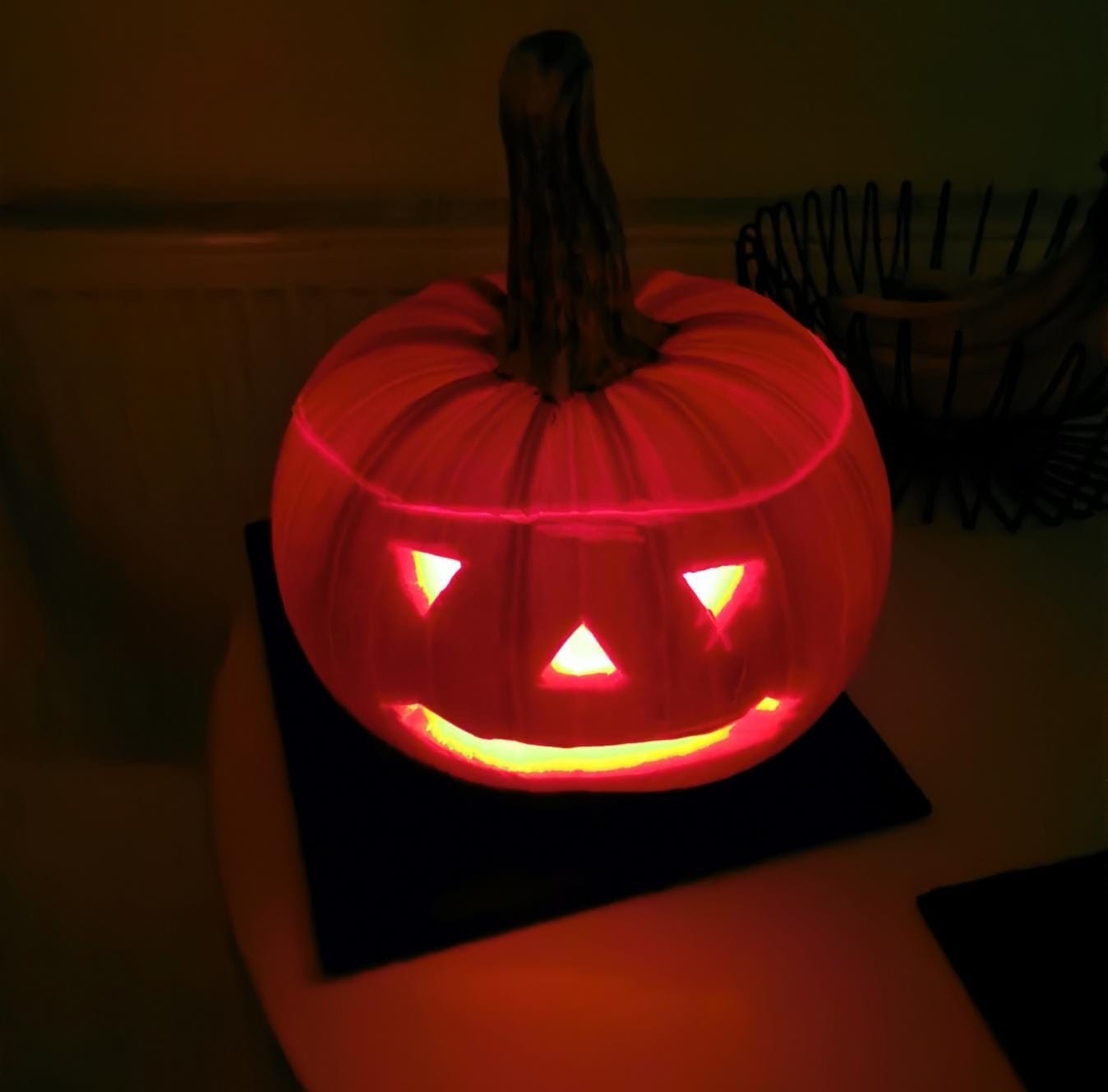
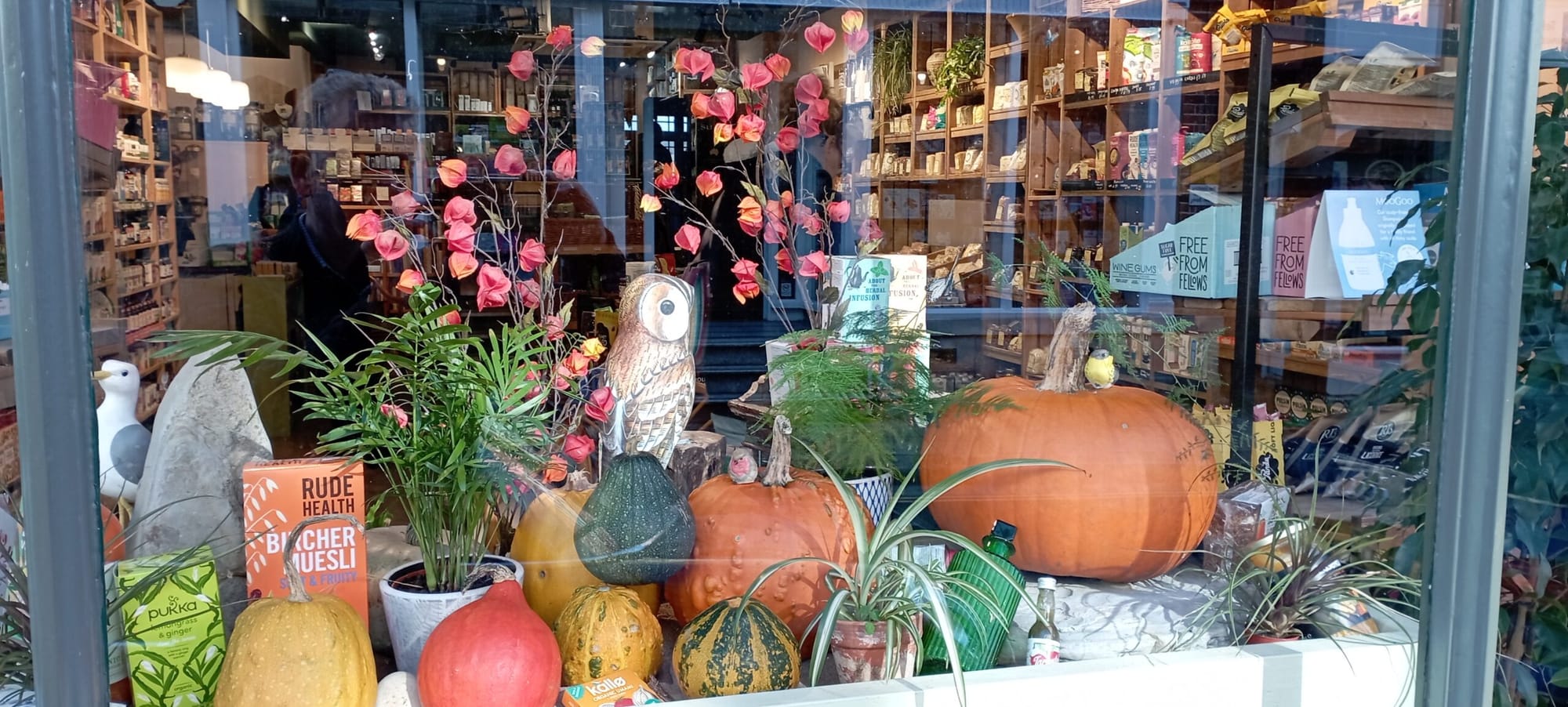
The pumpkins we see on Halloween originated from America, brought over by the Irish in the 19th century when many emmigrated to America. Whereas they used to carve faces in turnips, they found pumpkins were easier to grow in America, so the tradition evolved to carving the pumpkins we are familiar with today.
Apple bobbing, another Halloween tradition is thought to have come from the Roman's worship of Pomona, the goddess of fruit and trees, the apple being the symbol of Pomona.