


As a recently arrived resident of Rye (although a frequent visitor since the late 1960s), I walk around the town full of awe at it all and still in a state of disbelief that I am lucky enough to live in such a beautiful place. At the same time, I realise that there are so many things to learn about the history, architecture and people of the town. One discovery that has captured my attention is the use of mathematical tiles on many Georgian buildings in the town. These tiles, seen extensively in the south east counties of England especially in Sussex and Kent including in Lewes, Brighton and Rye, were used from the 18th century to cover older timber-framed buildings and because they were cheaper and easier to lay than bricks.
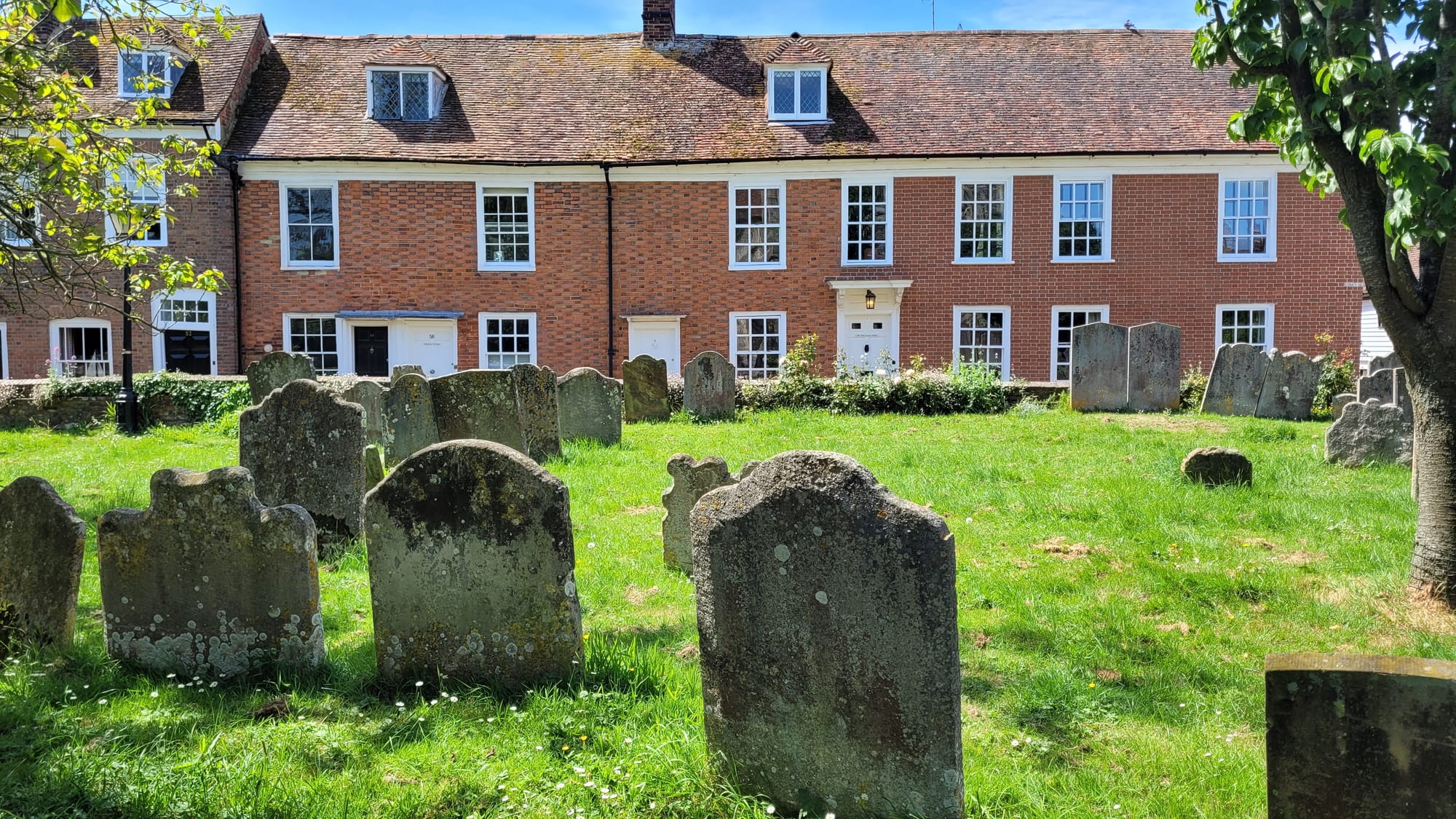
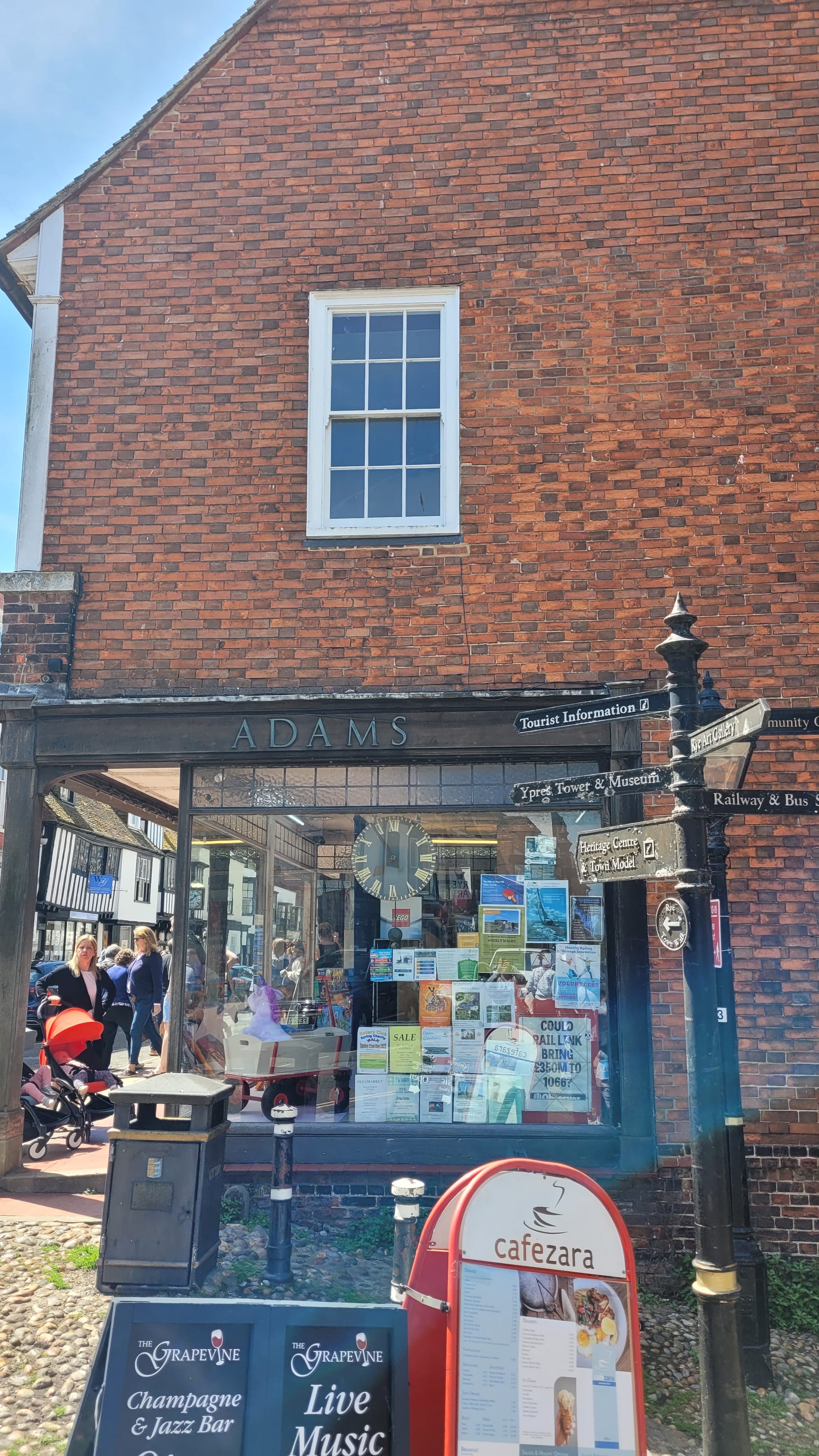
I first noticed that something was not quite as it seemed when looking above the Cornish Bakery shop on the High Street, only to see that some bricks were missing. On closer inspection, I could see that what looked like yellow bricks were in fact narrow tiles attached to wooden laths. This is a clear example of how the tiles were used and without the missing ones, I would have been none the wiser. Further investigation revealed to me that houses in Church Square and the side wall of Adams facing Conduit Hill are, in fact, covered in mathematical tiles.
Now, I am finding myself closely inspecting many an apparent brick wall to see if I can, indeed, spot other examples (without resorting to Googling the information) - a sight that my well puzzle many a visitor or resident!


