Rye Town Council's planning meeting on Monday, November 25 addressed a range of individual planning applications, while also discussing much bigger strategic issues that Rye is facing as a town.
The individual planning discussions, for which the outcomes are listed at the end of the article, also raised more general concerns including: losing residential accommodation to hospitality use, balancing the advantages technologies such as air source heat pumps with noise and aesthetic issues, and the slow pace of the planning process.
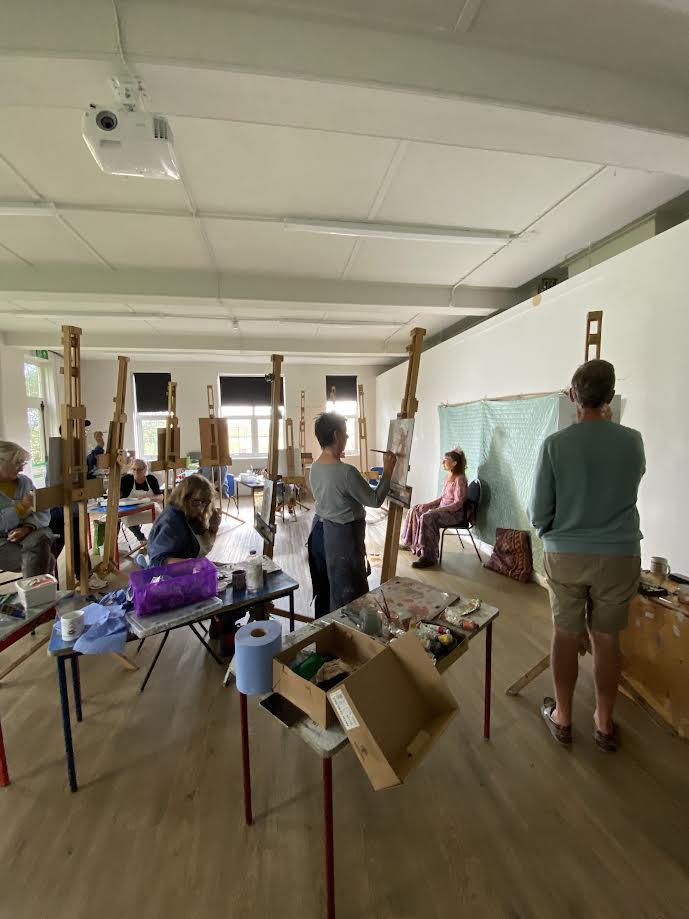
Aside form the planning submissions, the uncertain status of the Rye Creative Centre (RCC) was again discussed. The importance of an artistic community to the economy and character of Rye over many years was stressed, evidenced by the more recent success of the RCC in its current form. While no solution is in sight, councillors spoke in support of finding a suitable long-term solution to the loss of the creative centre. Multiple representations have been received from the artists, but no detailed development plans are currently available in the public domain.
A core reference point for planning the future of Rye is the neighbourhood plan, currently undergoing an important update. The plan is a key element in the planning process, acting as the basis for all local planning decisions. The necessity of this process has been reinforced by government intentions to significantly increase home building targets in Rother, which will inevitably have an effect on Rye. While we are currently planning to exceed our targets from Rother this could add considerable pressure for increased development in all available locations in the Rother area especially Rye with its relatively well-developed infrastructure compared to other locations.
Input is still flowing in to the draft plan from the likes of East Sussex County Council and Southern Water, along with individual members of the public. Anthony Kimber reminded the meeting the background to all planning in Rye is that new buildings will exist in an entirely different climate than exists today, requiring careful thought on what should be built, and where. The revised plan will be discussed at the next full council meeting scheduled for December 9.
Discussion on the applications received and the plan triggered a much wider discussion on planning issues in Rye. A challenge is how to reconcile apparently differing priorities, such as retaining Rye’s historic character and the the introduction of technology designed to tackle climate change, such as solar panels and air source heat pumps. There was a feeling that more central planning guidance may be required to address these difficult issues.
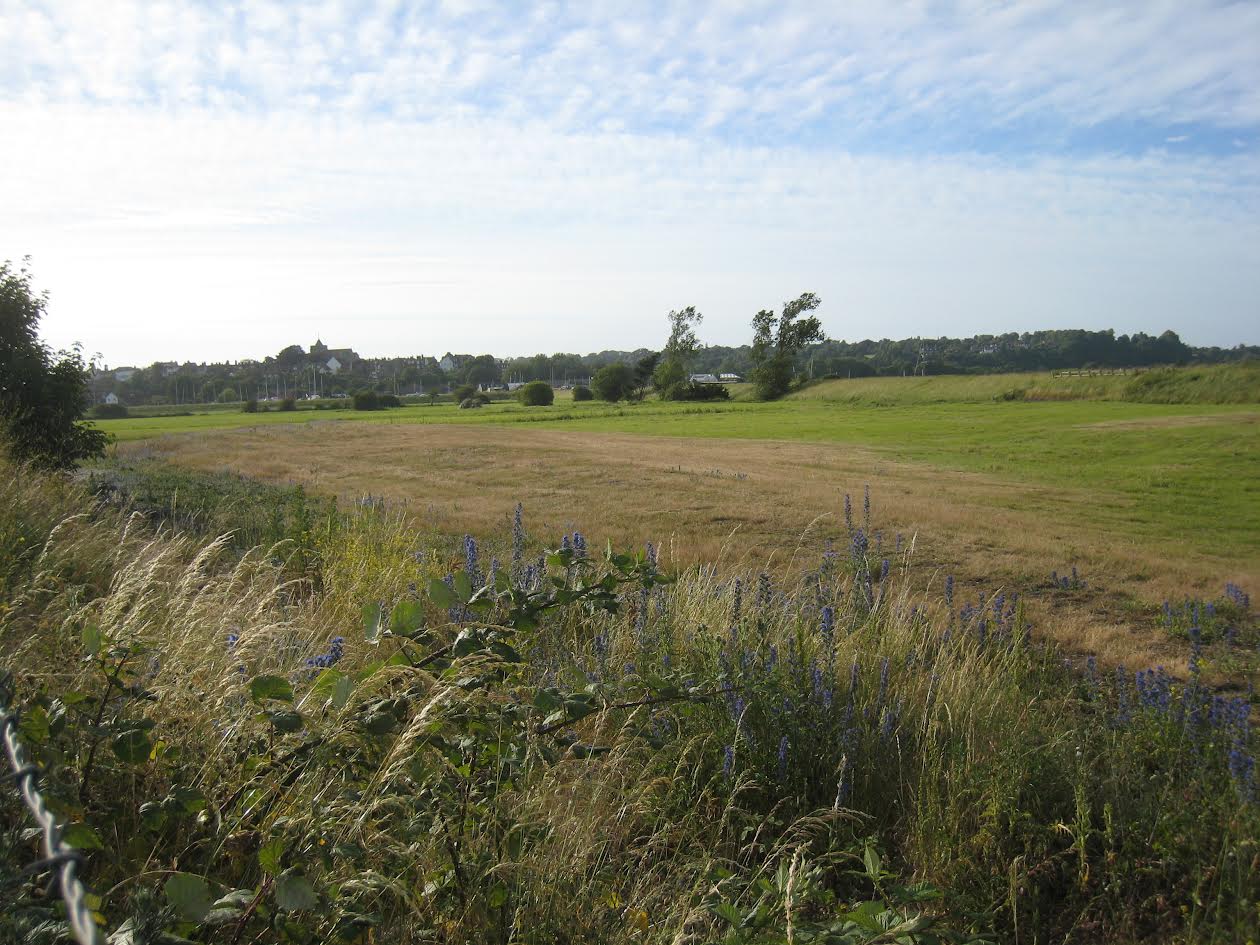
The so called “strategic gap” separating Rye from Rye Harbour was also discussed, noting that its current designation is not as clear as it might be. While it is vaguely designated as “green” it was noted that changes have nevertheless taken place. However, many councillors stated strongly that the gap must be maintained.
Finally, the issue of planning enforcement, or lack of it, was raised. Rother District Council has limited resources and these are assigned to high priority issues. As the pace of development increases, this is likely to become an important issue.
As far as the individual decisions are concerned, the following decisions were made:
- RR/2024/1743/P: 9 Lion Street, Rye
- Partial conversion, change of use and extension of building to create eight hotel rooms as an extension to the George hotel. Partial retention of existing retail unit.
- Decision: SUPPORT APPROVAL Subject to the retention of the Herbert G Gasson signage.
- RR/2024/1857/P: 11 Peacocke Way, Rye
- Installation of air source heat pump to side of property.
- Decision: SUPPORT APPROVAL Subject to the approval of Environmental Health.
- RR/2024/1758/P: Westwick, Point Hill, Rye
- Construction of single storey front extension, installation of skylights to rear extension and increase in width or rear extension, installation of two air source heat pumps and one air conditioning unit and installation of canopy / roof overhang to rear and side extensions and installation of French doors with Juliette balcony at second floor level.
- Decision: SUPPORT APPROVAL
- RR/2023/2437/P: 13 Rope Walk, Rye
- First floor rear bedroom extension.
- Decision: SUPPORT REFUSAL Overdevelopment; adverse impact on the amenity of occupants of neighbouring properties (loss of light and privacy).
- RR/2024/1729/P: 90 High Street, Rye
- Painting of exterior shop front and addition of wood cladding (retrospective).
- Decision: SUPPORT APPROVAL
- RR/2024/1918/P: 28 Mill Road, Rye
- Change to the front elevation – garage door infill to provide window.
- Decision: SUPPORT APPROVAL
- RR/2024/620/P 93-94 High Street, Rye. A member of the public present at the meeting expressed concern that RDC had yet to determine this application. RTC had registered its objections in May 2024. It was known that additional supporting material (a heritage statement) had been provided by the applicant. The clerk committed to ask Rother for an update on the current position.
The next full council and planning meetings will take place on Monday, December 9 starting at 6:30pm.