In the last of three articles on climate change's impact on Rye Anthony Kimber writes about what we can do as individuals. His first article looked at what was happening internationally and his second explored what is happening locally.
What else should we or could we do? Here are six widely agreed and recommended measures that as a community we can all focus on.
Reduce emissions: Join the move to electric or hybrid vehicles; use vehicles less; instead use sustainable transportation, such as walking, bicycling, or using public transport. When using a vehicle, remember that every time speed is increased, this will increase CO2 emissions and expenses. Each litre of fuel burnt equals 2.3kg of CO2 emissions. For long-distance travel, trains are more sustainable than airplanes, which cause a great deal of the CO2 emissions.
Save energy: Take a look at the labels on your appliances and reduce the number left on standby. Always adjust thermostats to govern heating and air conditioning.
Put the 3 Rs of sustainability into practice:
- Reduce consumption
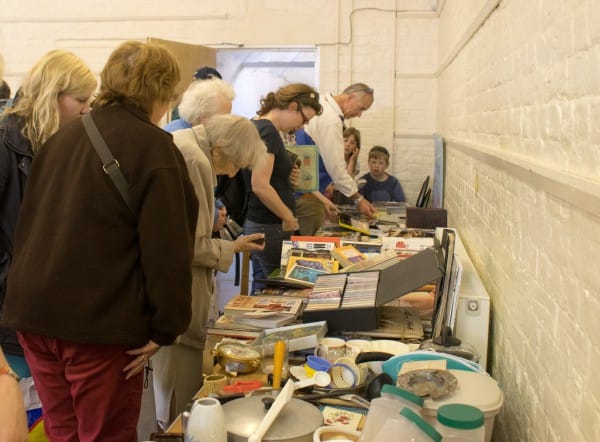
- Re-use by taking advantage of second-hand markets, upcycling and recycling.
- Recycle packaging, food into compost, waste from electronics. You can save over 700kg of CO2 each year just by recycling half of the waste produced at home
4. Diet: Reduce meat consumption (livestock is one of the biggest contaminators of the atmosphere) and increase your consumption of fruits and vegetables. Eat food that is local and in season: read the label and eat food that is produced in the area, avoid imports which create more emissions because of transportation.
-
Consider forest loss. Buy only wood with a certification or seal showing its sustainable origin. Plant a tree or shrub! Throughout its life, it can absorb up to a tonne of CO2. Rye will have an initiative in 2020 to promote this.
-
Demand that politicians take all measures toward a more sustainable life by promoting renewable energy, setting regulatory measures such as properly labelling products (fishing methods used, labels that specify product origins, whether or not they are transgenic, etc.), encouraging more sustainable public transportation, promoting walking and the use of bicycles and other non-polluting transportation methods; managing waste through recycling/reuse.
After COP 25 (the regular international conference on climate change), it was widely reported that the public had woken up to the climate crisis. What is not clear is whether politicians have done the same, as there has been little concrete progress to show.
Protests in 2019 have sparked a rush by governments to declare a “climate emergency” and to set or retrench future emissions targets. In previous years this alone would have seemed radical enough and generated enormous goodwill. However, the gap between words and actions has widened. Credibility in necessary action is at a low.