Every year, on warm summer weekends, Rye and Camber are swamped with visitors wanting to spend the day on our wonderful beach, and who can blame them? The problem, of course is that they come in more cars than our roads and car parks can cope with and the result is that the Camber car parks are full by around 10am and the queue regularly stretches back right into Rye and up Rye Hill.
We are a tourist town and our local economy depends to a very large extent on our visitors. We want them to enjoy themselves and come back again and again to experience both the amazing beaches and the ambience of our lovely old town. What neither they nor we want is for these same visitors to be sitting in their cars for hours unable to get to the beach or find space in our local car parks.
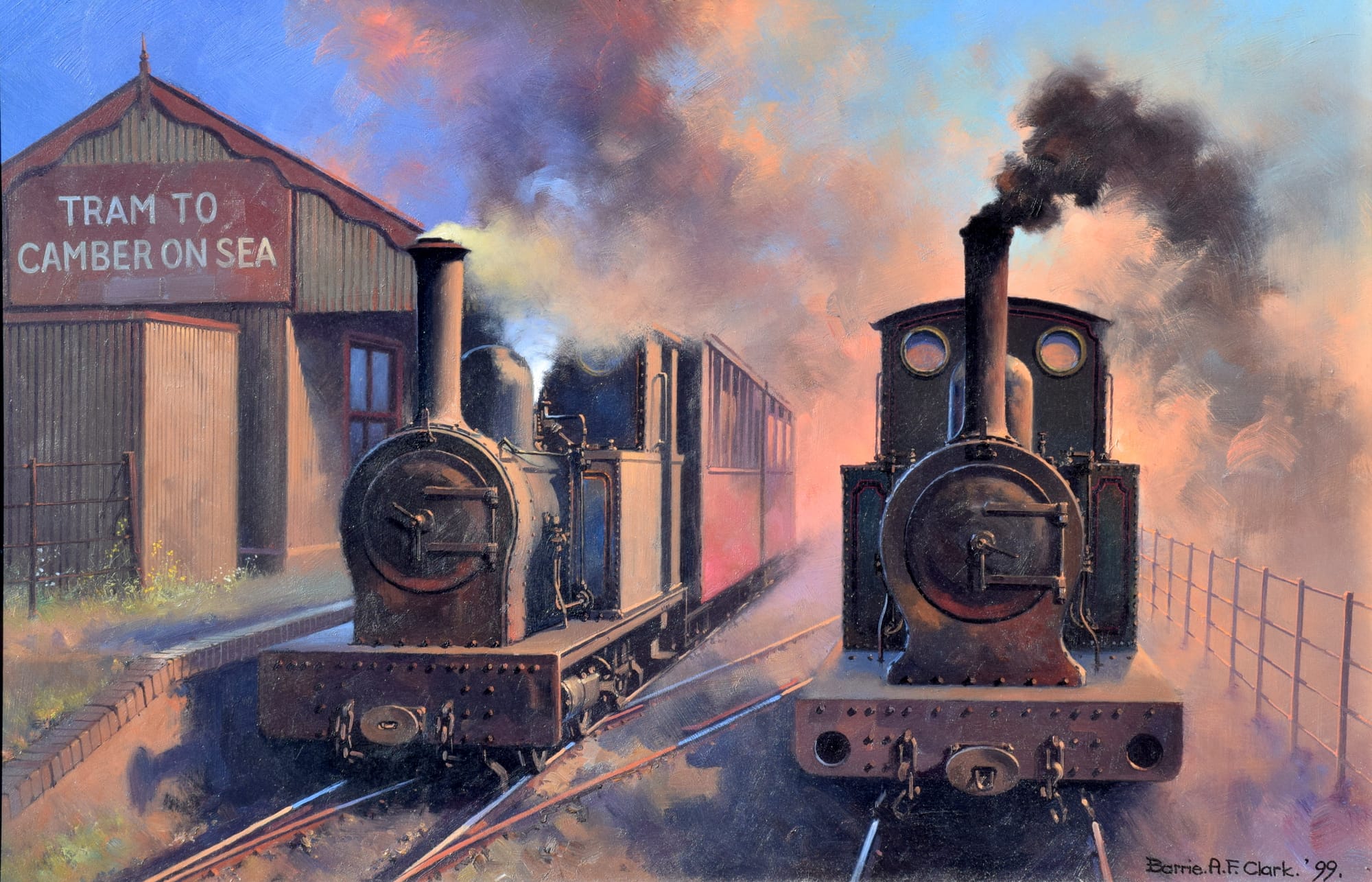
We have covered the problem many times in this paper and our readers have never been slow to add their own suggestions to solving the problem. One suggestion that we hear occasionally is to resuscitate the tramway that used to run between Rye and Camber. Usually this is dismissed as fantasy. But is it? Rye News decided to have a closer look.
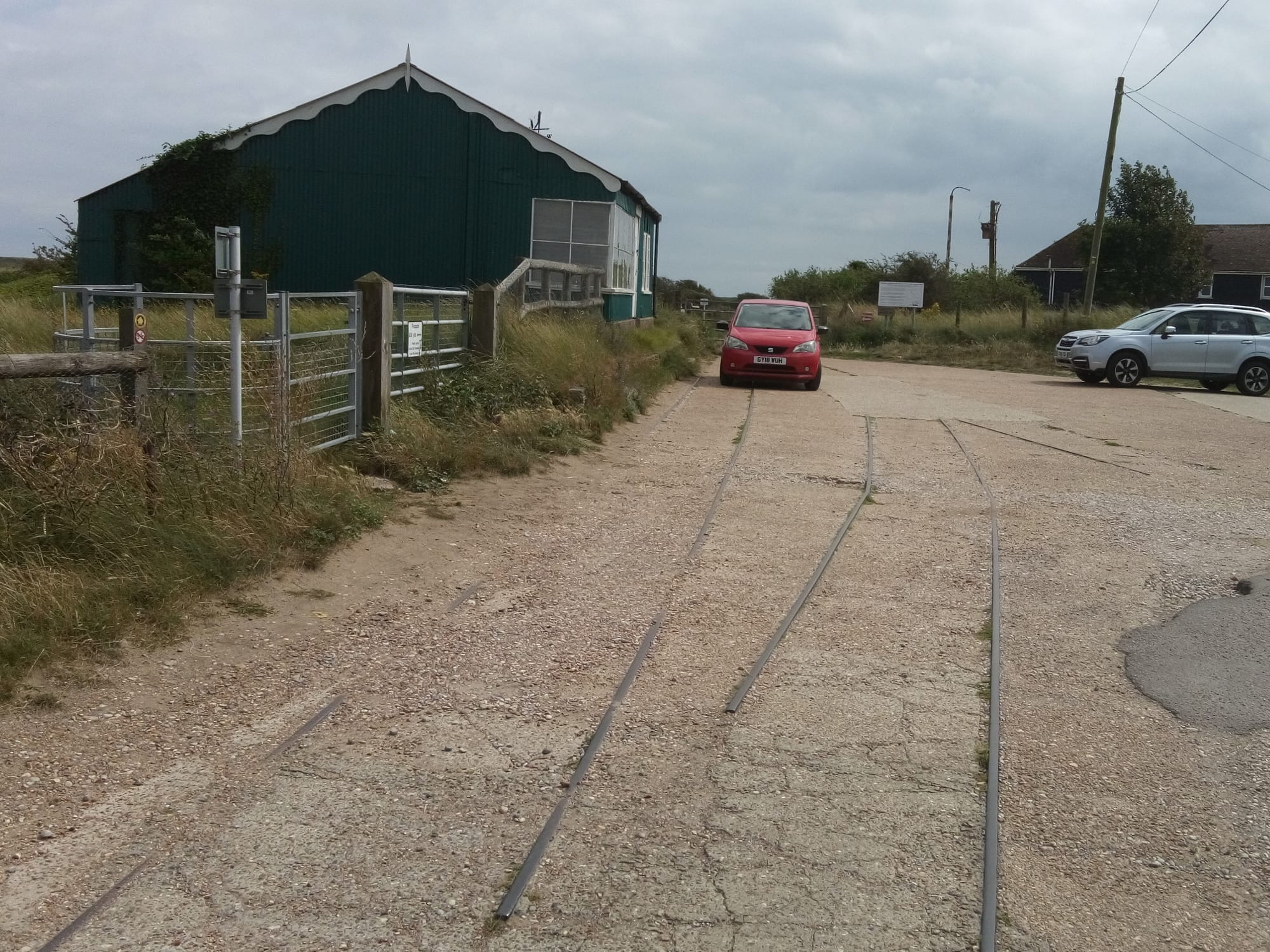
The original tramway - in reality a narrow gauge light railway - was originally constructed in 1895 primarily to convey golfers to Rye Golf Club. Rye Station was just off New Road, close to Monkbretton Bridge and almost adjacent to the buildings that now house the creative centre. The station was removed many years ago but the golf club station, complete with rails, can still be seen by the golf course and a little way behind the harbour master's offices. Later the line was extended, looping round the southern edge of the golf course towards Camber. The line was closed to civilian passengers in 1939 and by 1945 was considered to be in such poor condition that the majority of it was ripped up and sold for scrap.
Many old railway lines have been, and continue to be, re-opened, so why not this one? Could it be done? Possibly, but quite apart from the cost measured against seasonal returns, there are other challenges.
The line runs entirely over private land, so the first hurdle would be to get the landowners' permissions. This would mean the owner of farmland at the Rye end of the line and then Rye Golf Club. It is possible that the Environment Agency (EA) could come into the equation, too.
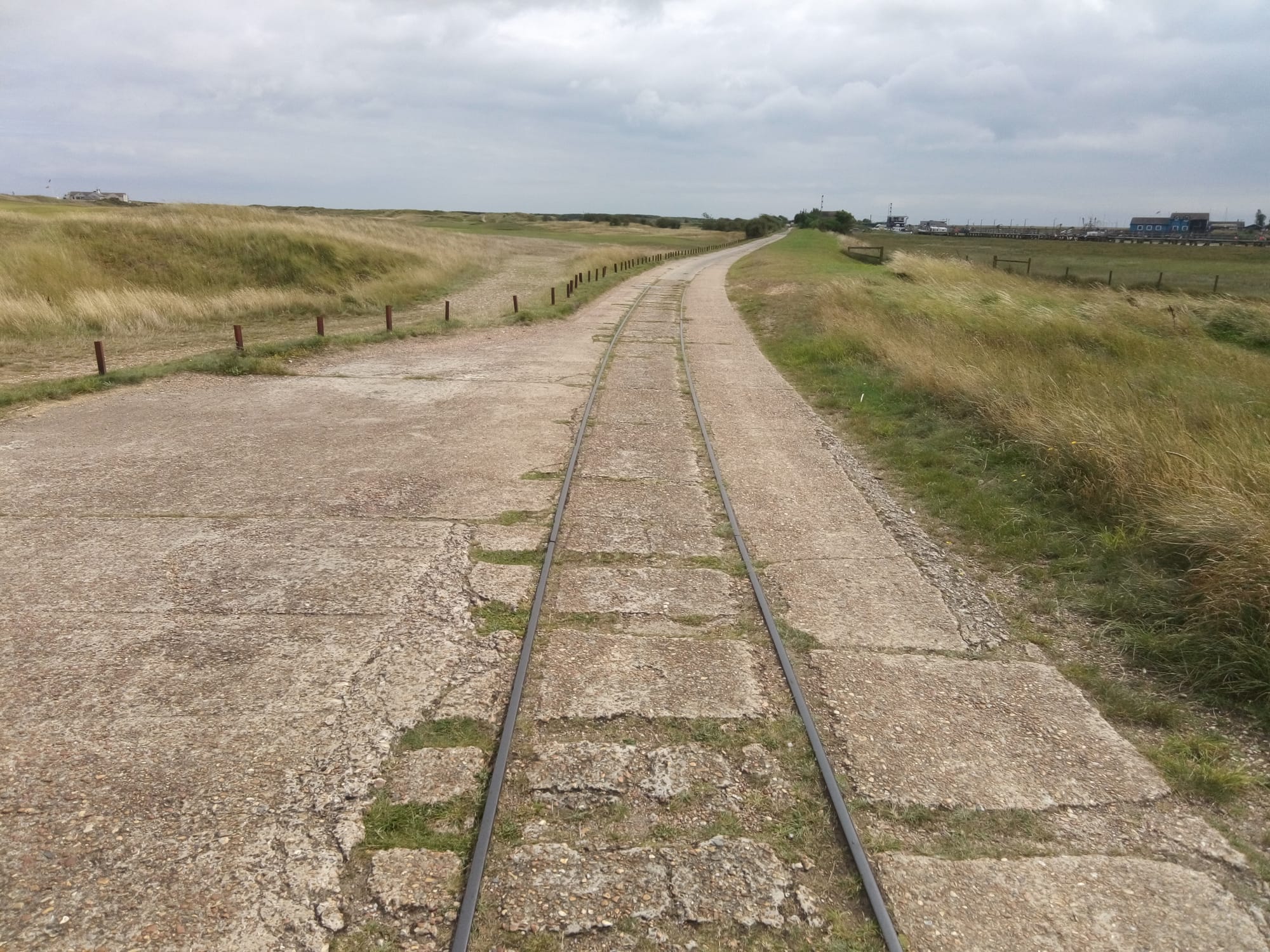
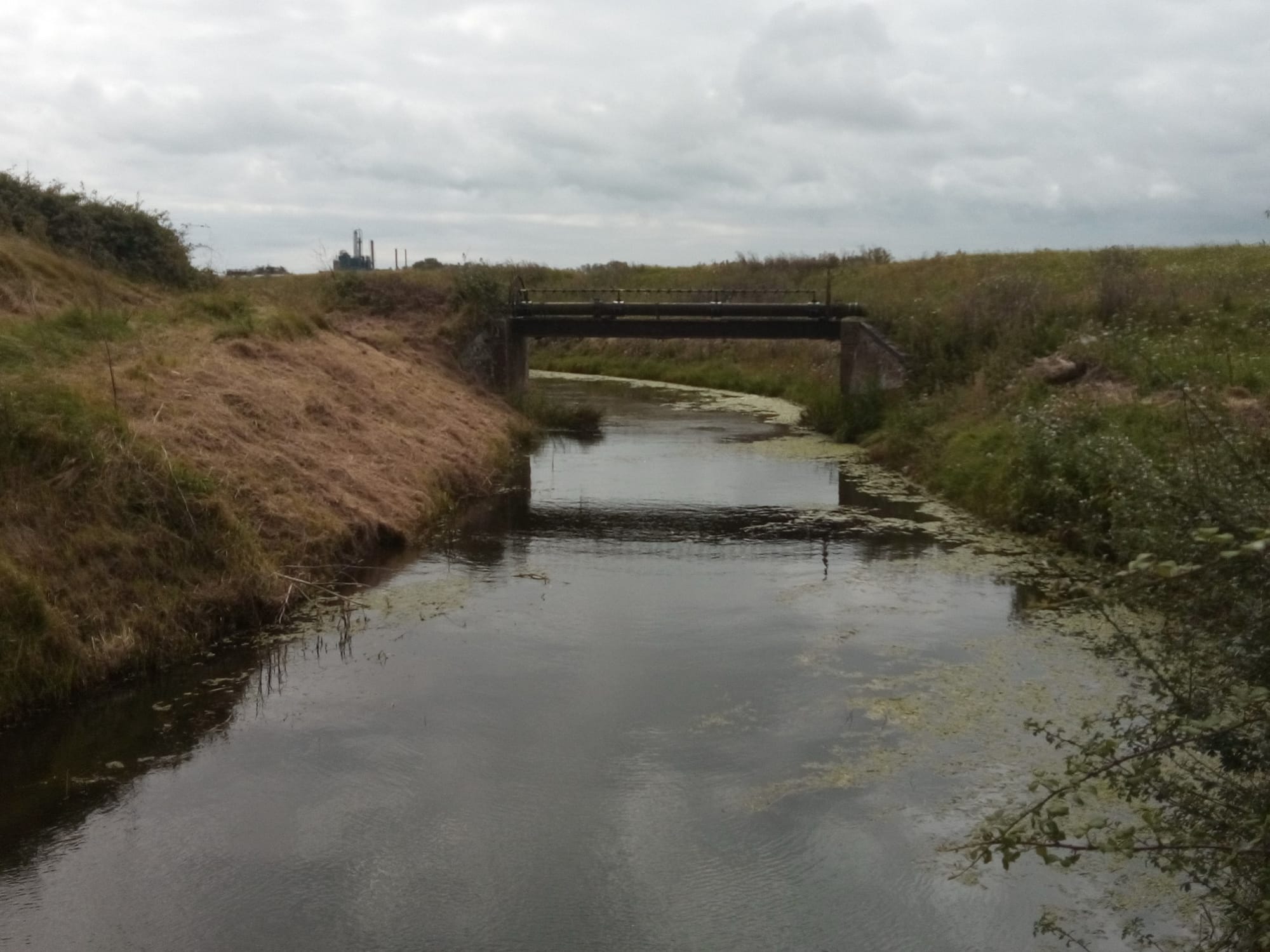
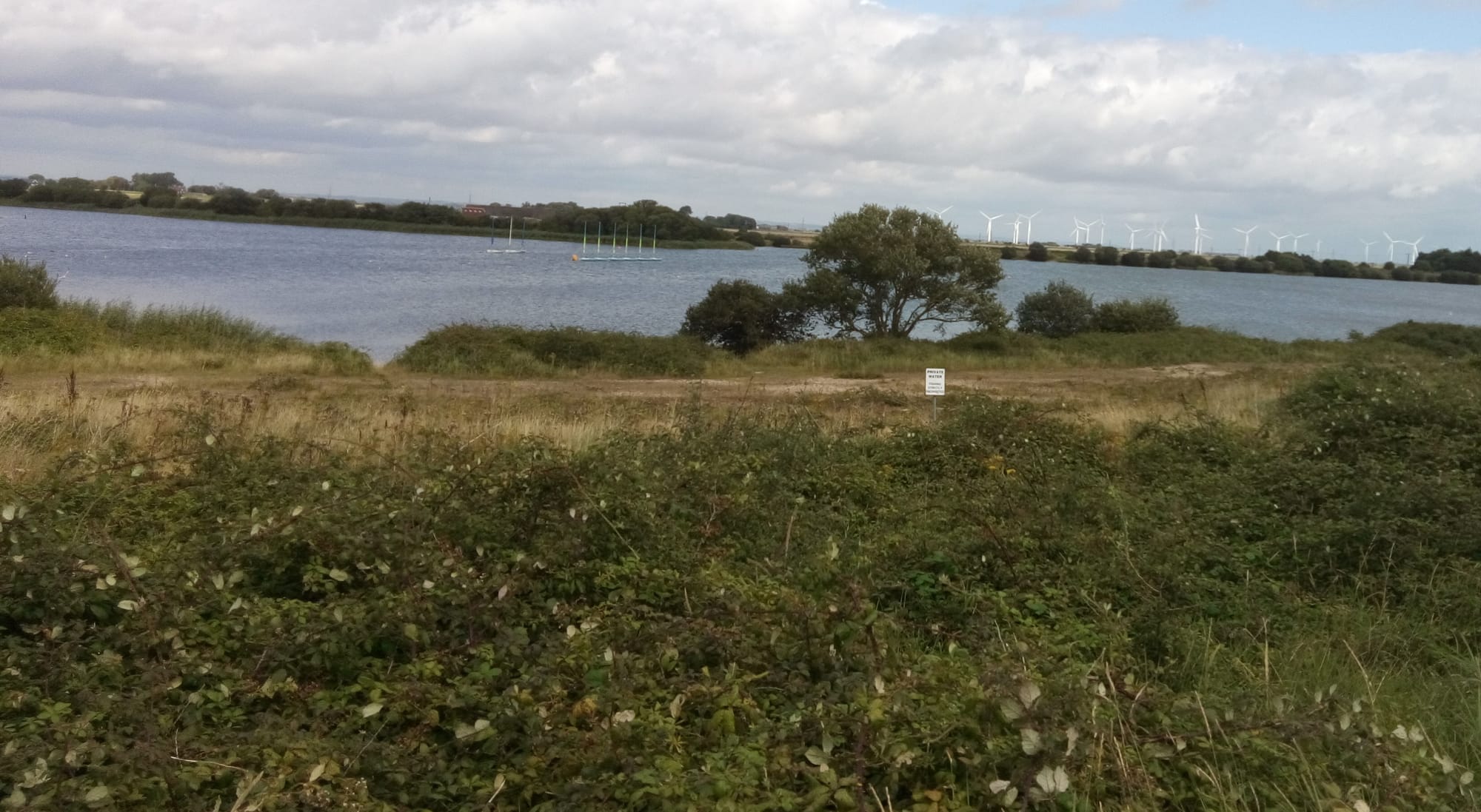
The first part of the track would be straightforward, following the original route across grazing land (but subject to the positioning of new flood defences planned by the EA), and then across a couple of small bridges spanning streams running into the river Rother. Then comes the first physical hurdle. Where there used to be flat land there is now a large lake - the result of post war gravel workings, owned by the golf club and operated by Rye Water Sports. The line's route runs straight through the middle of the first part of this, although it looks as if it returns to dry land a little later. The route then takes it to the north western end of the golf course passing very close to a large house overlooking the course. One would imagine the occupants would be less than enthusiastic to have crowds of happy holidaymakers rattling past the end of their garden several time an hour.
From the point where it meets the golf course the original rails can be seen embedded in the concrete road that runs down to the harbour master's office and the golf club station.
After that, the line sweeps round what was the southern edge of the course, following the line of dunes. This provides the next problem. This might have been the boundary of the golf course in the '20s and '30s, but that is not the case today. The sea has receded over the years enabling the golf course to be extended. The original route would now cut one of the fairways in two and probably interfere with other areas as well. Its final destination of Camber Sands station no longer exists.
So could it be rebuilt? Technically, possibly it could, but it would need the goodwill of landowners, the ability to re-route the now-flooded section and the final destination probably changed - maybe to the river Rother end of the sands, but as this part is usually less populated than the opposite end nearer the car parks, that could be an advantage.
All it needs, therefore, is someone with flair, imagination, boundless optimism and an awful lot of money. Of course, with the right rolling stock and maybe steam engines, it could become a major tourist attraction in itself.