


Last week, MPs voted to strip out an amendment to the Environment Bill which sought to place a new duty on water companies to reduce raw sewage discharges into rivers. Among these MPs were all our immediate coastal constituency elected representatives; Hastings and Rye MP Sally-Ann Hart, Folkestone and Hythe’s Damian Collins, and Dover’s Natalie Elphicke.
For some, perhaps short-sighted MPs, the public outcry which followed was totally unexpected. But such was the public furore, with outraged environmental campaigners and a furious social media backlash, that on Tuesday night, George Eustice, the environment secretary, announced a government a U-turn, just days after the vote.
The timing of the row, as international delegates arrive for the COP26 UN climate summit, could not be more awkward for those MPs who voted so indiscriminately. Perhaps, our local representatives will think more carefully when they read the anger their vote last week created among the Rye News readership. Our feature writer Alex Thomson makes his views clear on the opinion page, and Revd Paul White, vicar at St. Mary’s church, Rye, responds in a Q&A with Rye News below:
What is your response to MPs voting against the amendment to the Environment Bill that would prevent water companies from continuing to pollute?
Like many people I was shocked and saddened when the news was reported that water companies were not going to be prevented from discharging raw sewage in to our rivers and onto our beaches in certain circumstances.
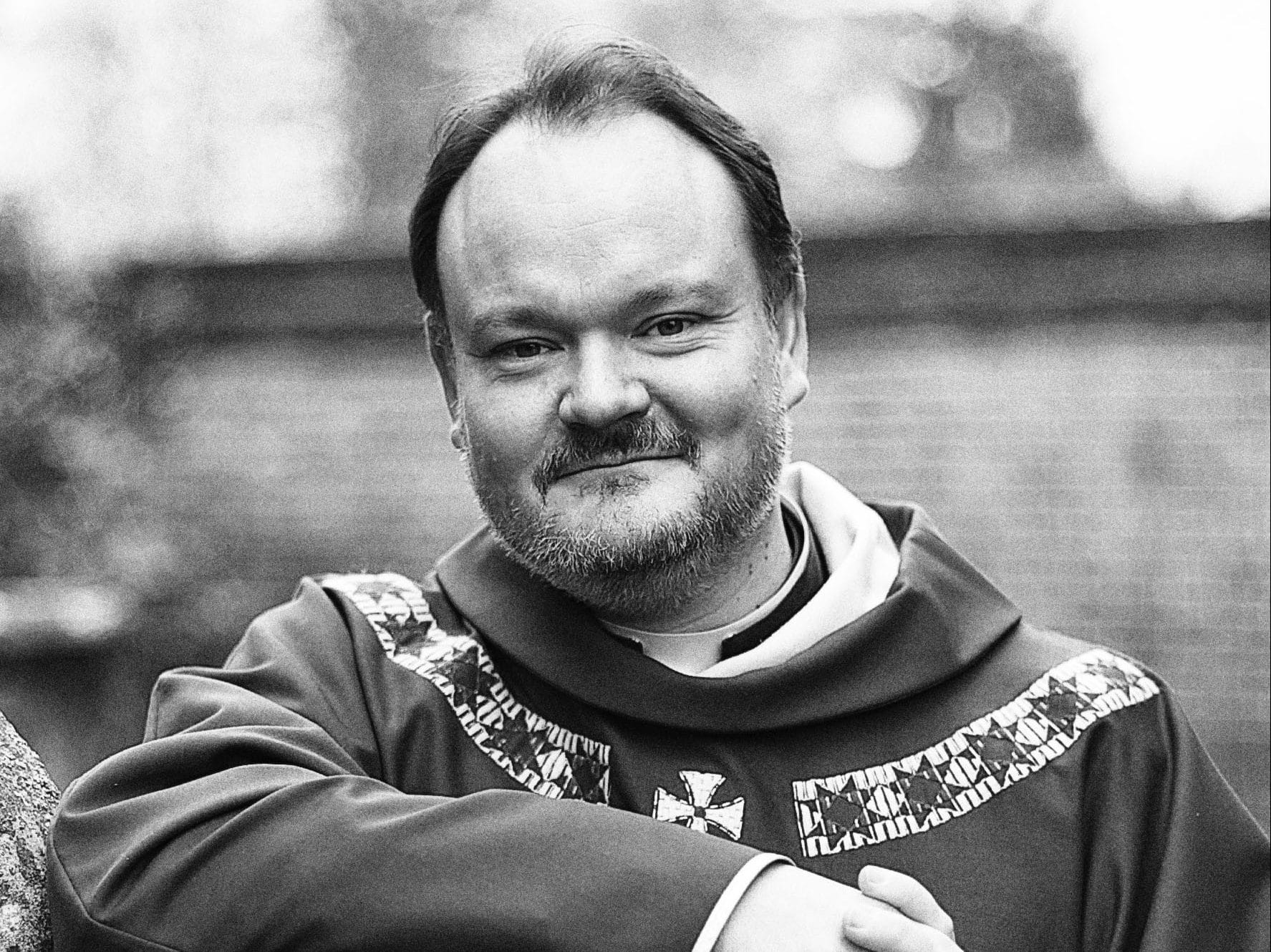
Last summer it was reported that Southern Water had been fined a record £90 million for illegally discharging untreated human waste at numerous points along the coast and I thought that this marked a turning point in holding those companies to account for polluting our environment. But, sadly, it looks as though they are being given a pass to continue doing so. The reasons for doing this seem to vary from the difficulty of obtaining the necessary chemicals to carry out the treatment of the waste to the cost of maintaining the infrastructure. But, either way, it seems that the convenience and profitability of those companies are being prioritised over not despoiling our rivers and beaches.
How might this affect members of the St Mary's community and the surrounding wildlife?
Christianity sometimes gets a bad rap in relation to its treatment of the environment, and it is true that previous generations have thought that creation was something that we had to subdue! Times have changed, I am glad to say. Most Christians now see creation as something to be cherished, indeed it is now one of the five marks of mission of the church. Many churches locally are registered as "eco-churches" and the Church of England as a whole has set itself the target of being carbon neutral by 2030. Doubtless, this is ambitious, but I hope it shows that "the church" takes the environment seriously.
In terms of the impact on the wildlife and environment of discharging sewage of course much depends on where and how much. Having said that I am conscious that on one side of the Rother we have Camber Sands and it would devastate the tourism there if the beaches were closed because the water was unsafe and, on the other side, there is Rye Harbour Nature Reserve which could see a severe impact if a high tide brought in a load of human waste into that delicate ecosystem. Not to mention the impact on the rivers themselves and also on the local fisherman. This is an issue that could have a substantial real-world impact close to home.
What message do you think this sends to people in light of the upcoming COP26 conference?
At the time of writing it seems that some significant world leaders will not be attending COP26, so the prospects of a global agreement are not looking great. In one sense the world leaders who do attend may see this issue as a little local difficulty that has little impact in the context of global carbon emissions. On the other hand, it does send a very mixed signal that we are committed to protecting the environment, unless that gets in the way of being profitable.
Do you feel this provides comment on the reality of neo-liberalism?
I have always doubted the wisdom of making basic utilities into private companies that need to make profits for shareholders. Whilst there is much talk about the benefits of competition and freeing up companies to seek investment the reality seems to be that prices go up for consumers and infrastructure lacks investment because the money needed for infrastructure is so big that it would wipe out profits for years. Providing clean water and effective sewage treatment seems like the most basic of utilities and, in my view, it should never have been treated as a profit-making business; the money which has gone from consumers to shareholders in the form of dividends should have been invested in making sure that our beaches are not covered in sewage.
What would you like to see happen going forward?
Our government talks the talk in relation to the environment - Mr Johnson was recently quoting Kermit the Frog and saying that, in his view, it was easy to be green. And, in some senses, they have taken huge strides - the commitment to moving to electric cars is significant. But, if we want to be world leaders on this and set the agenda on issues which will affect us all for generations, then they have to walk the walk even when it is tough and even when it might upset the private companies who control our utilities. The companies which have made huge amounts from our water bills owe it to us not to destroy the maritime environment which surrounds us.


