


My family and I recently made a DIY moth trap, which was put out overnight near Rye Harbour Nature Reserve. We used a bucket with a lid, a special type of lamp, a funnel, wiring, egg boxes, some tape and an empty plastic bottle to protect the lamp. Instructions are on this website - https://butterfly-conservation.org/in-your-area/east-scotland-branch/moth-traps
Although simple, it works well!
As moths are attracted to light, they fly towards the lamp and go down the funnel in to the dark bucket, which contains egg boxes. The moths like hiding in the bumps and dips. We have caught ten different species of moths so far, which we identify using a book that I was given for my birthday. The first time we found seven of the same species, Hebrew Character. Since then, as we get further into spring, we are getting more of a diverse range of moth species, including identifying one that more typically should only be appearing later in summer. However, for that particular moth it was after the storms, so perhaps something could have made it come earlier?
What is interesting, is that we are finding that nights with a bright moon results in fewer moths in our trap. There are different theories to explain this, including that they fly higher because of the bright moon light, using the moon as a sort of navigation system.
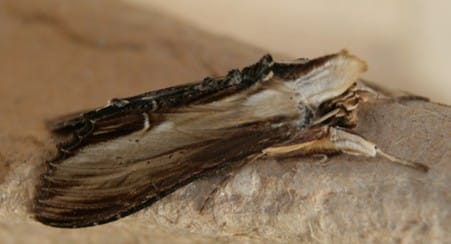
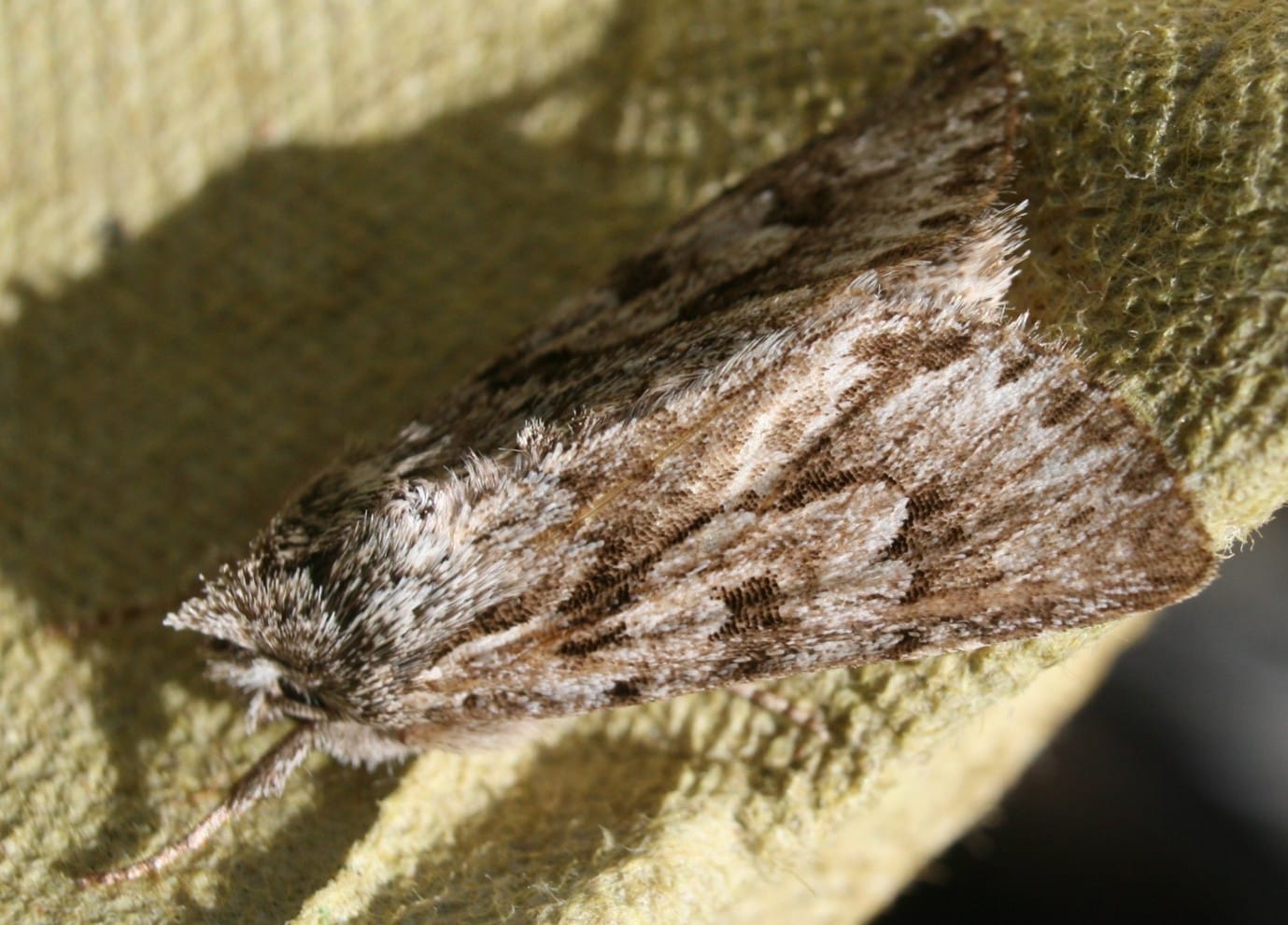
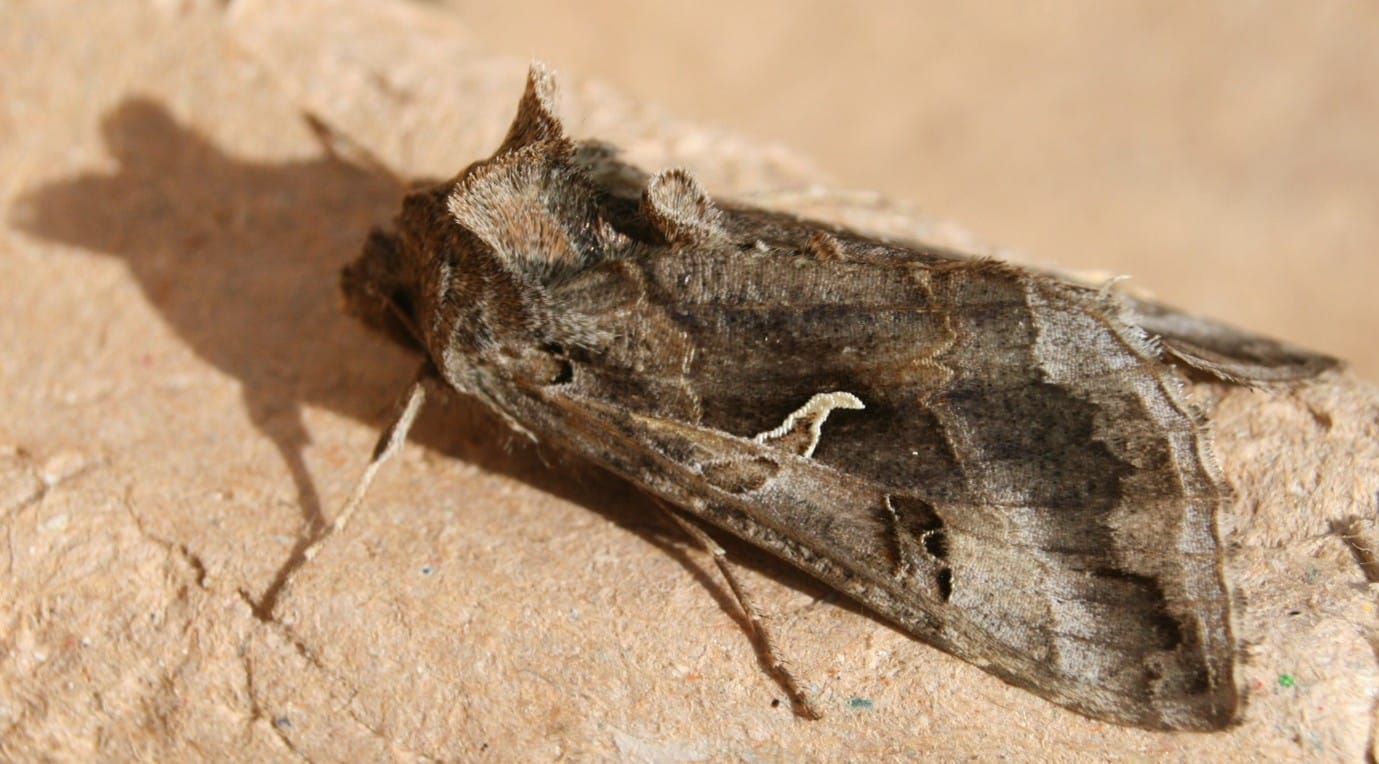
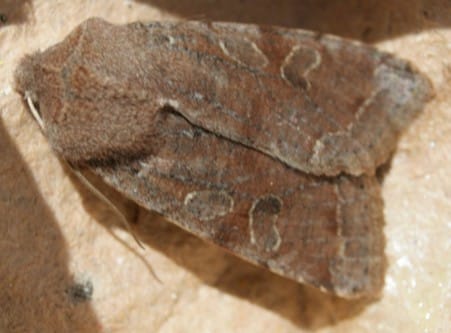
As we opened the lid on the trap and found the moths, I captured close-up photos of the moths. Here is a selection:
Moths catch their prey by echo-locating, emitting a sound too high for the human ear. When the sound waves bounce back, they provide a detailed picture of their surroundings, even in pitch black darkness. This skill provides the location of insects flying in the air, allowing the moth to catch their meals. Bats use the same technique too - to catch moths!
We are looking forward to finding and identifying more species in our moth trap as the summer progresses. There are over 2500 species of moths have been recorded in the UK (source: UKMoths | Guide to the moths of Great Britain and Ireland).


