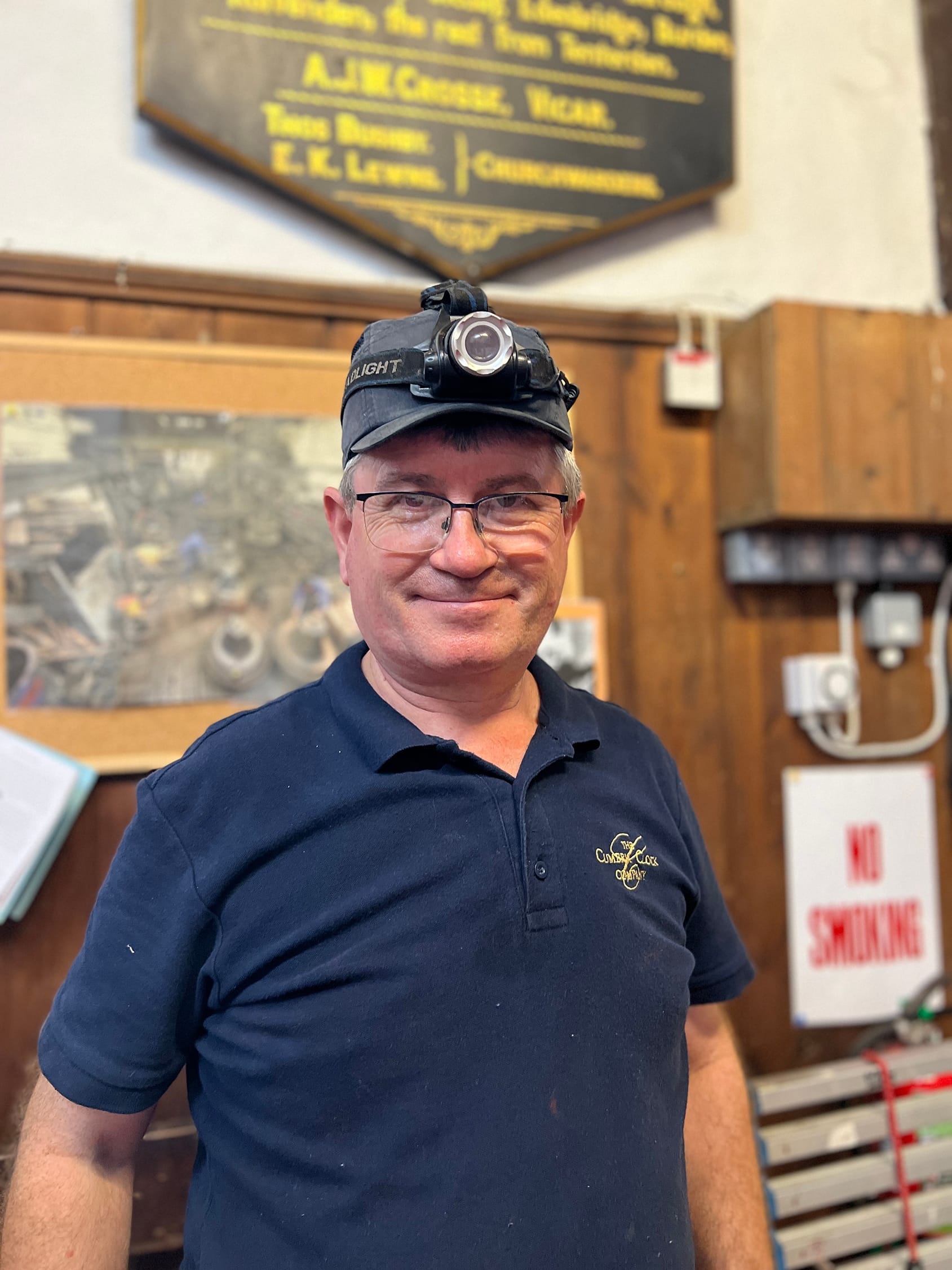
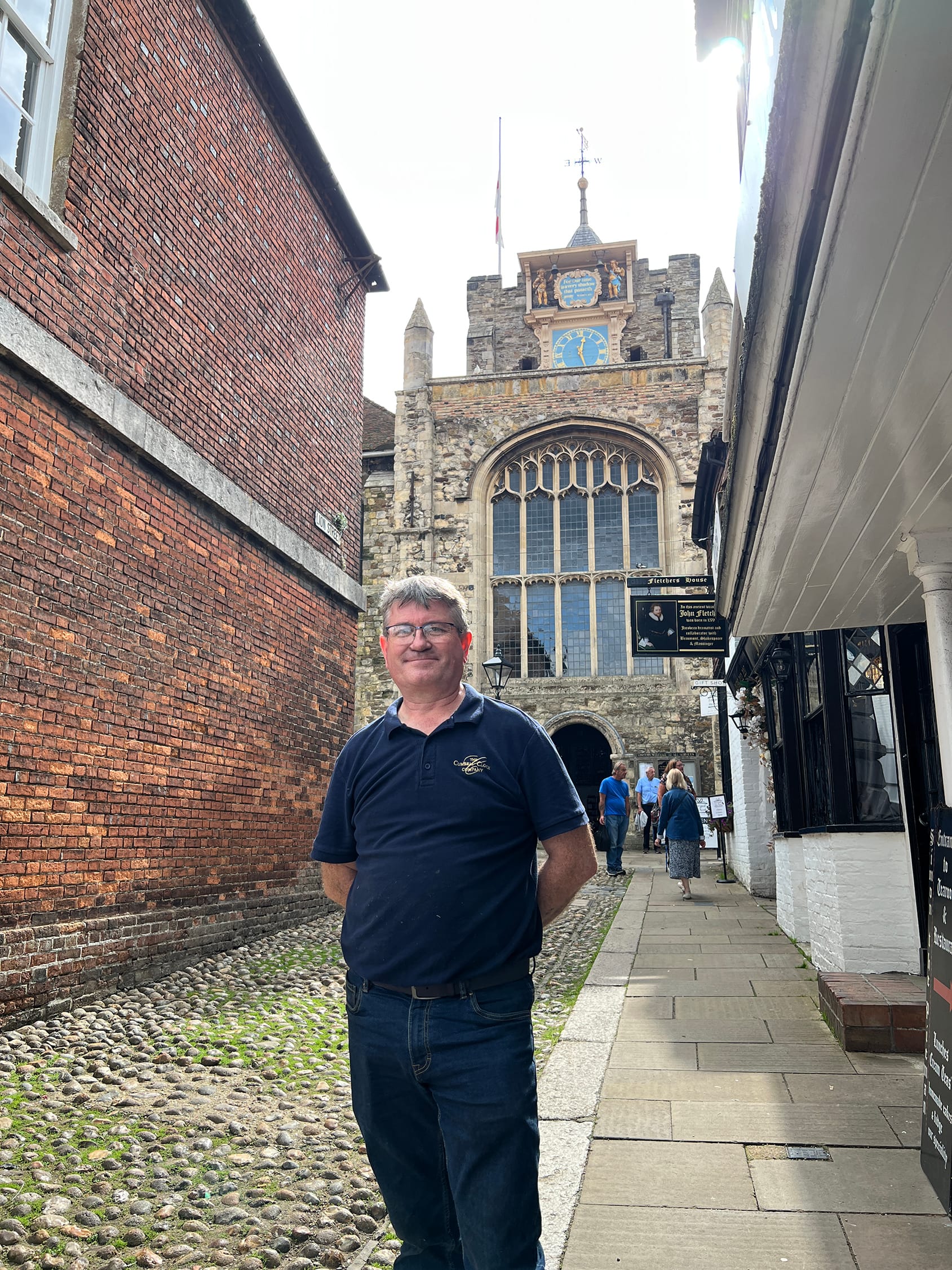
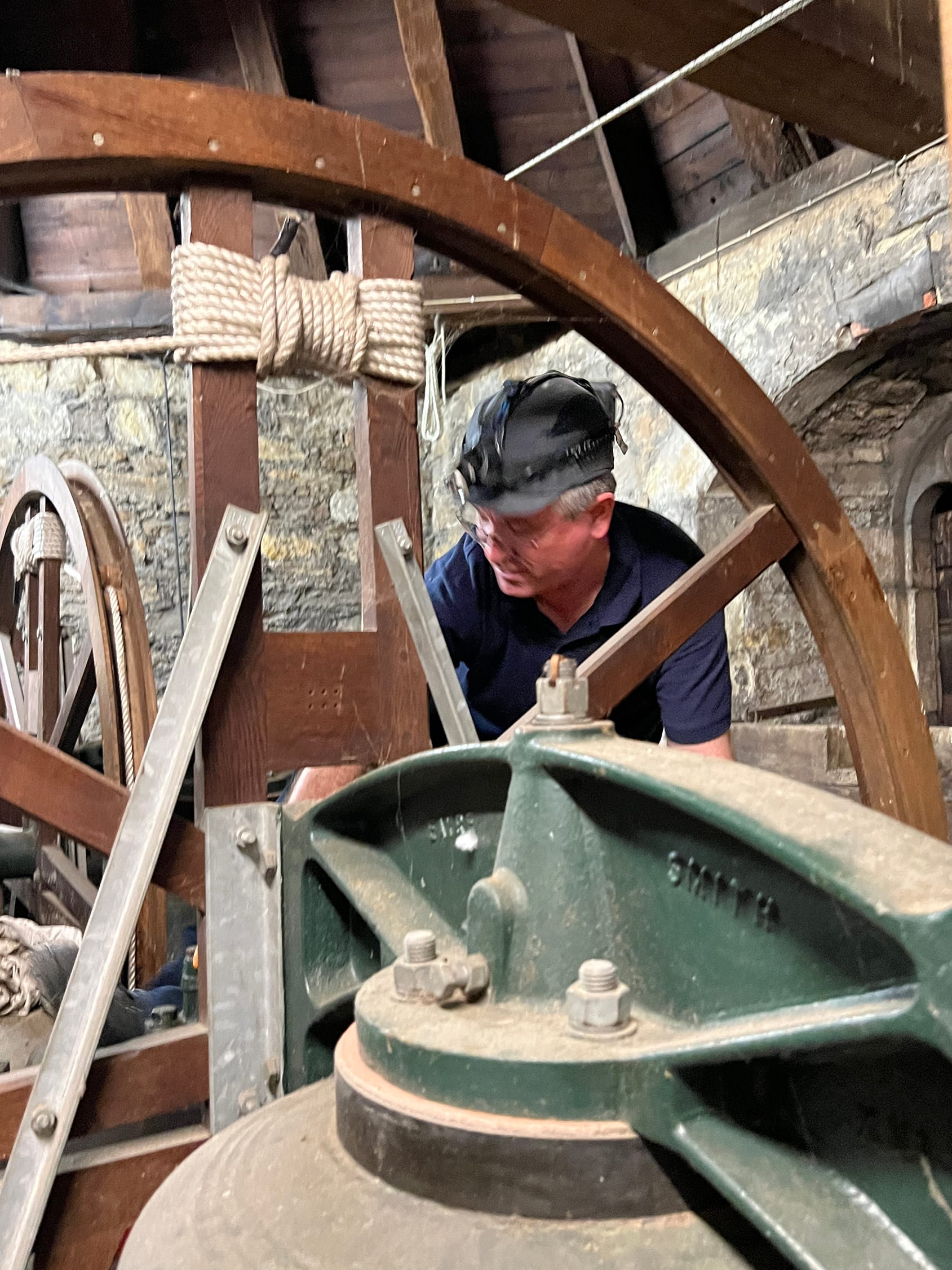
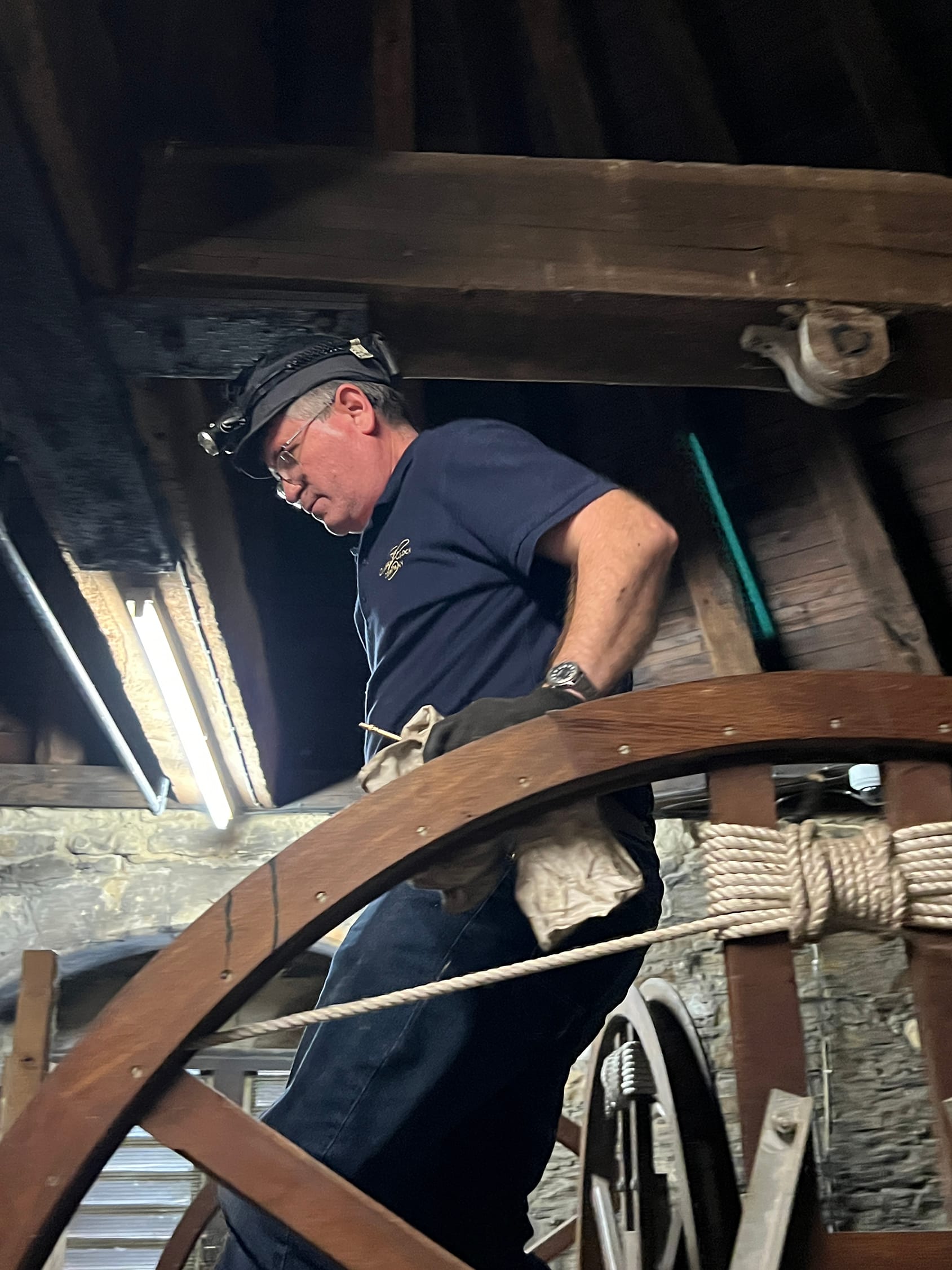
As a little boy, Stephen Dutfield was obsessed with clocks and how they worked. He spent hours taking clocks apart and learning how to put them back together again. When he was seven, he discovered a book about the tower clock at St Mary’s, Rye. He lived in Cardiff and begged his father to take him to see it, but his father said it was just too far away.
Stephen became a television announcer and presenter for BBC Wales and in his spare time he still carried on working on clocks. Covid came and with it came his redundancy. Using some of his money from his pay-out, he upgraded some of the tools he needed for his clock refurbishments and did a course with the British Horological Institute.
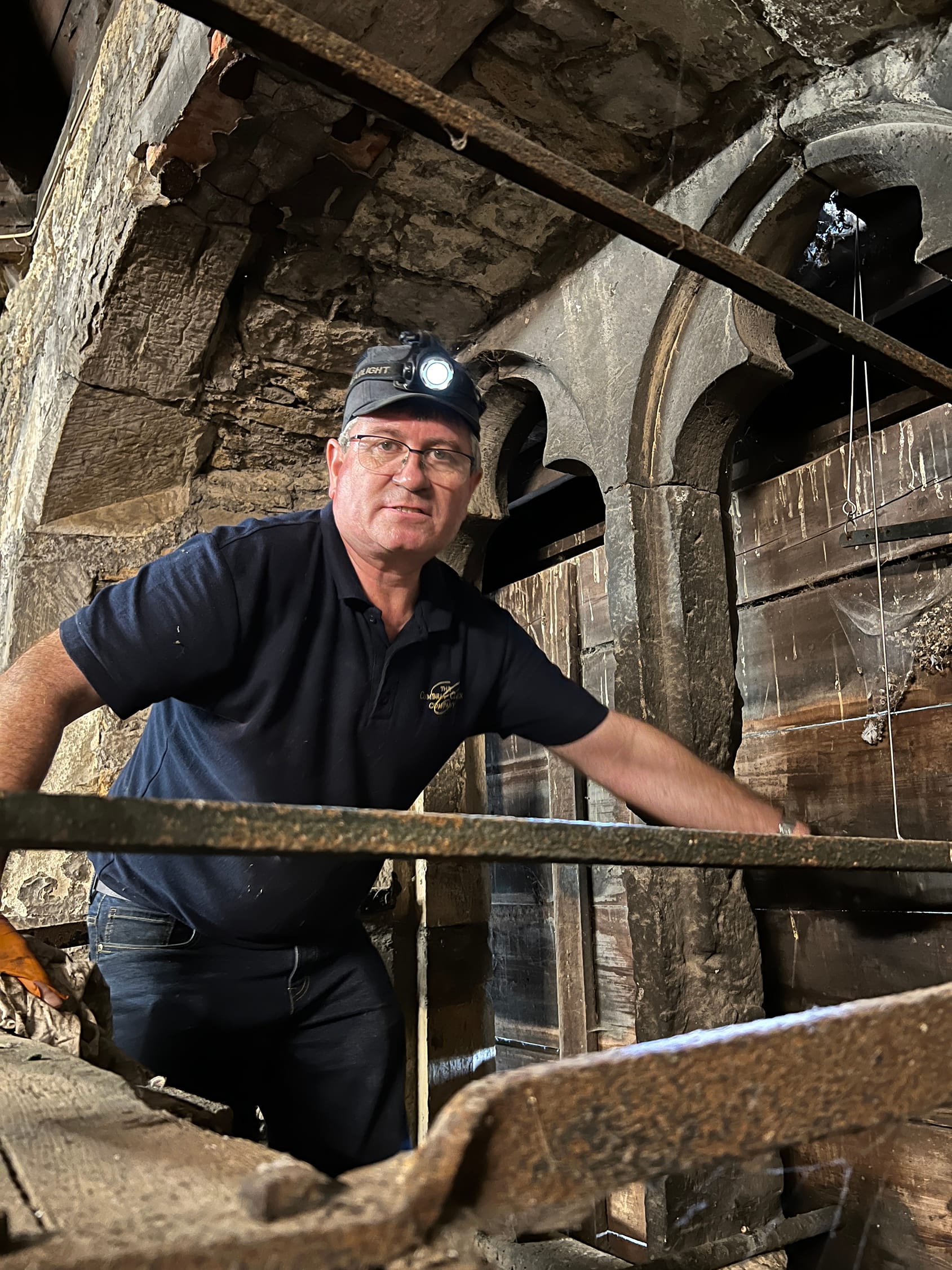
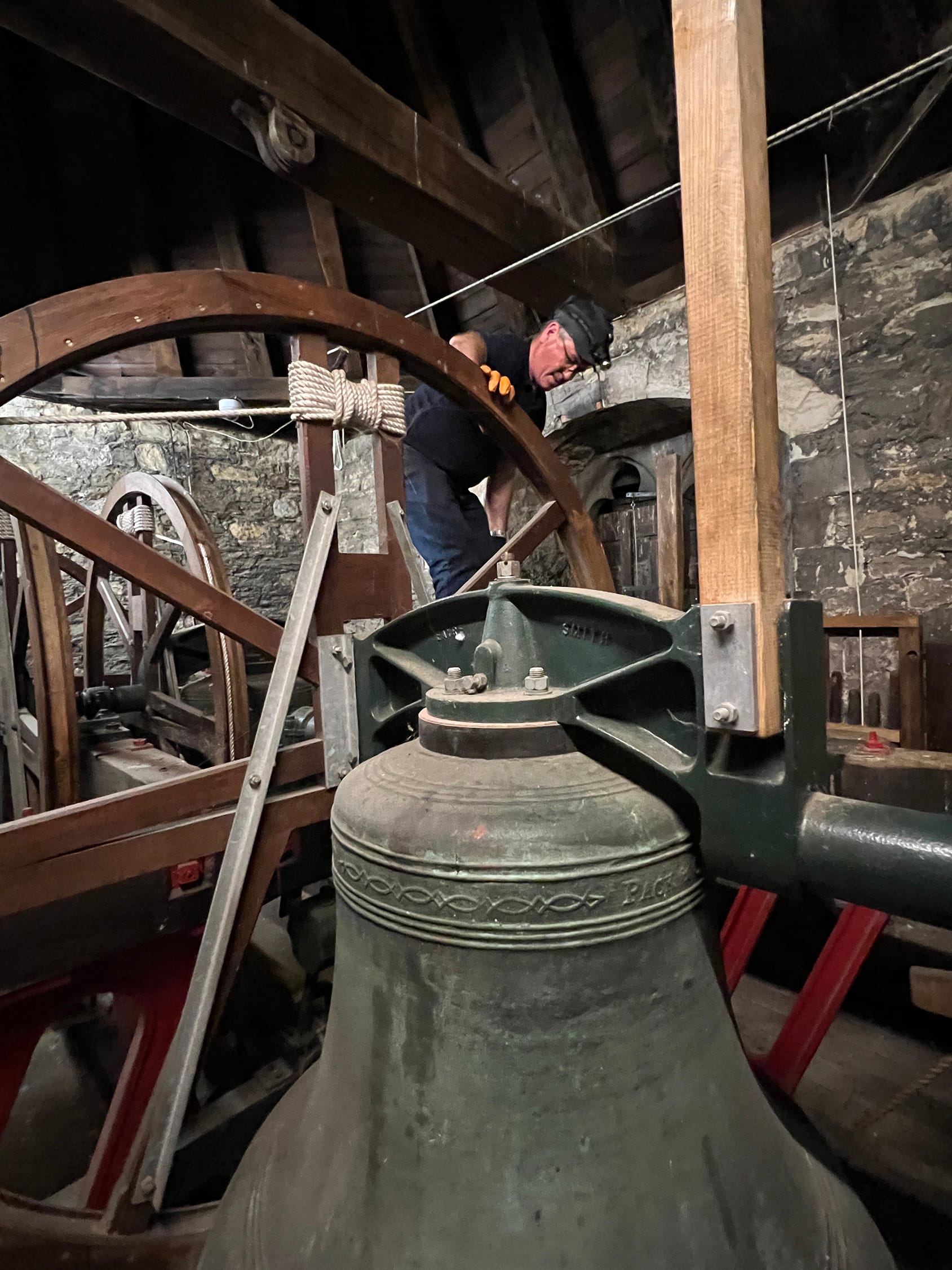
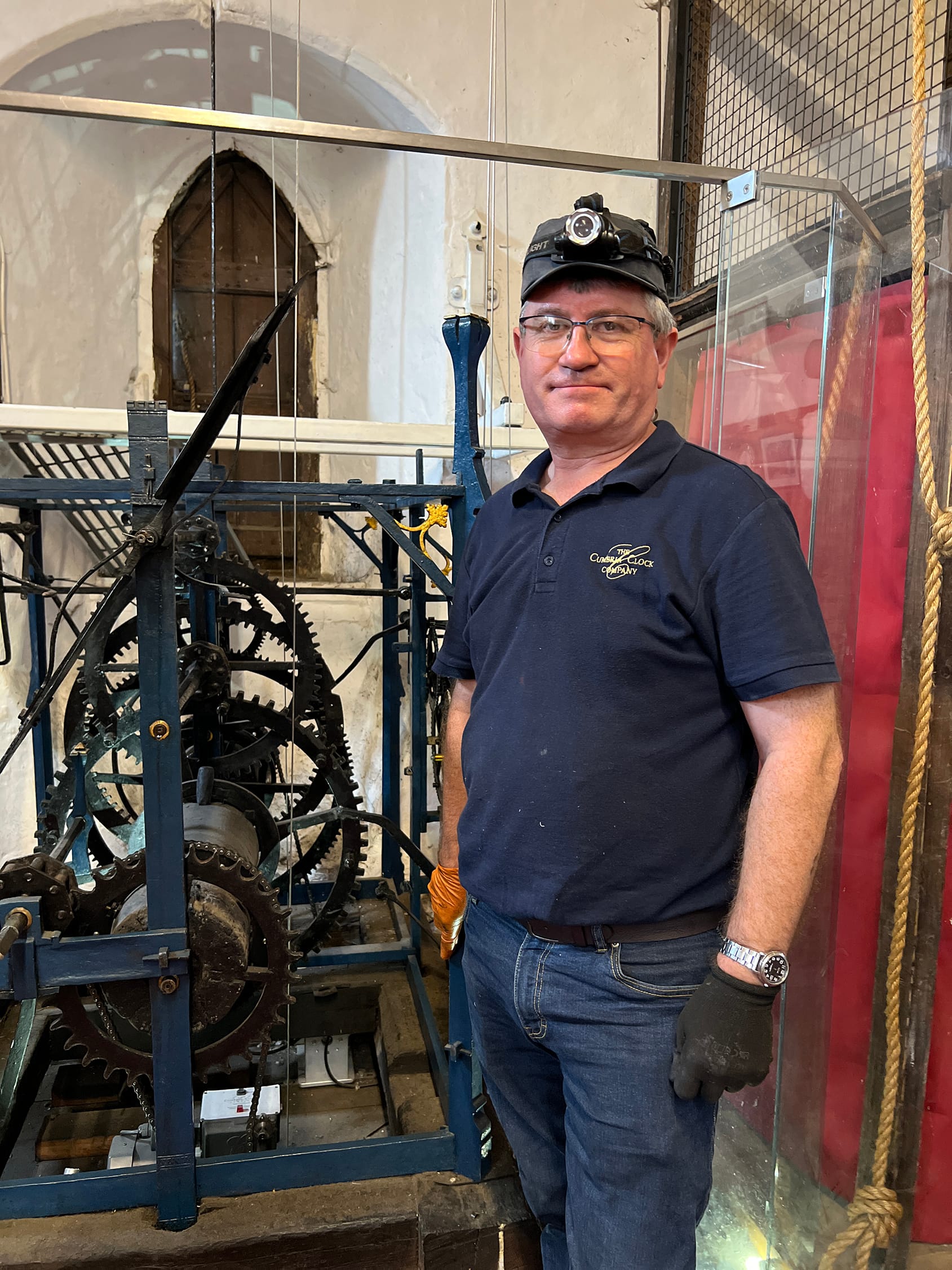
A part-time job became available with the Cumbrian Clock Company and Stephen was thrilled with this turn of events. It meant that he was now able to work on those tower clocks that he had read about as a child. Then his dream really did come true: a job was booked for the overhaul of the clock at St Mary’s, Rye and he was asked to do it. So after 50 years, not only did he get to see the clock he actually got to work on it, too.
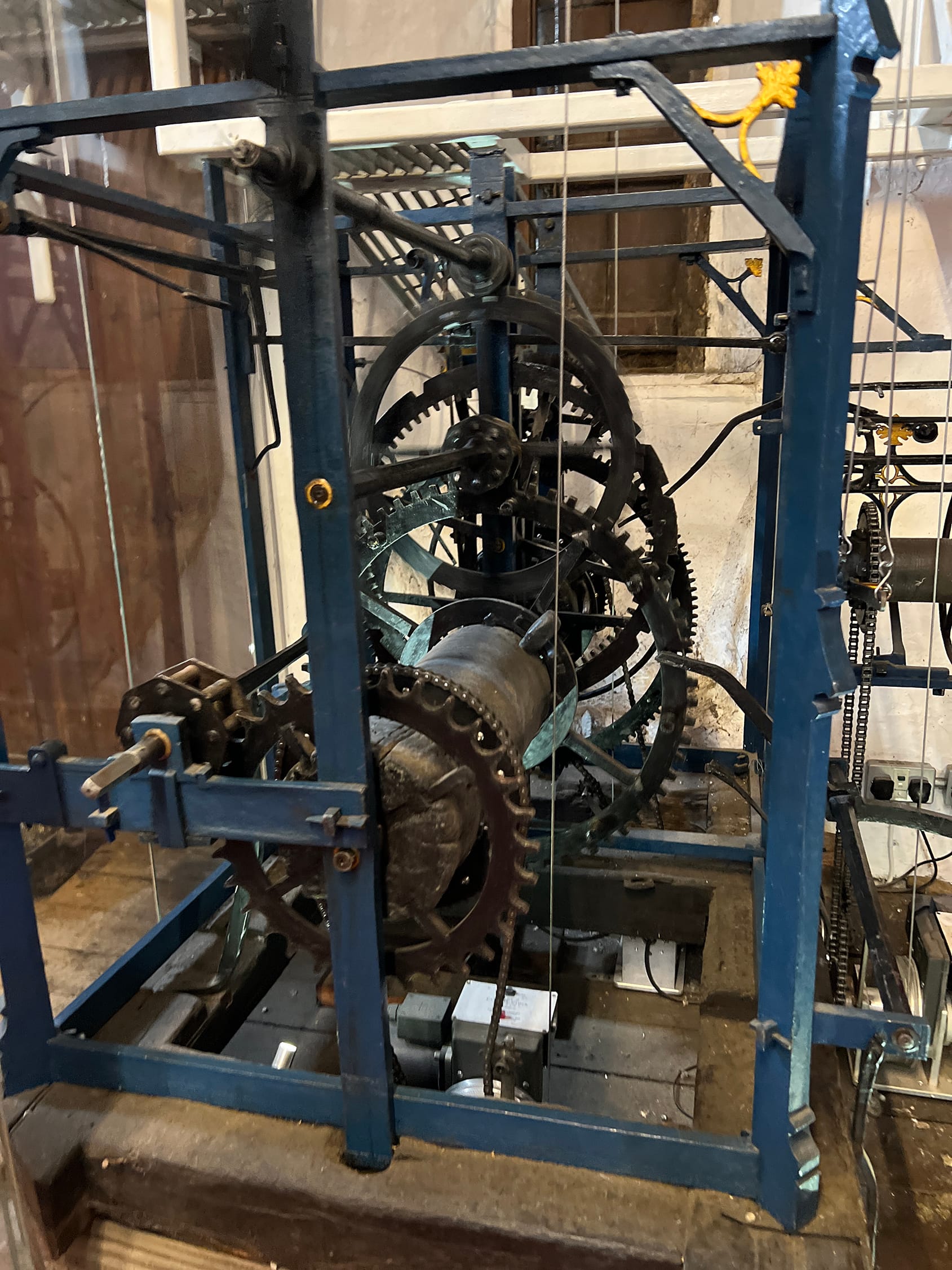
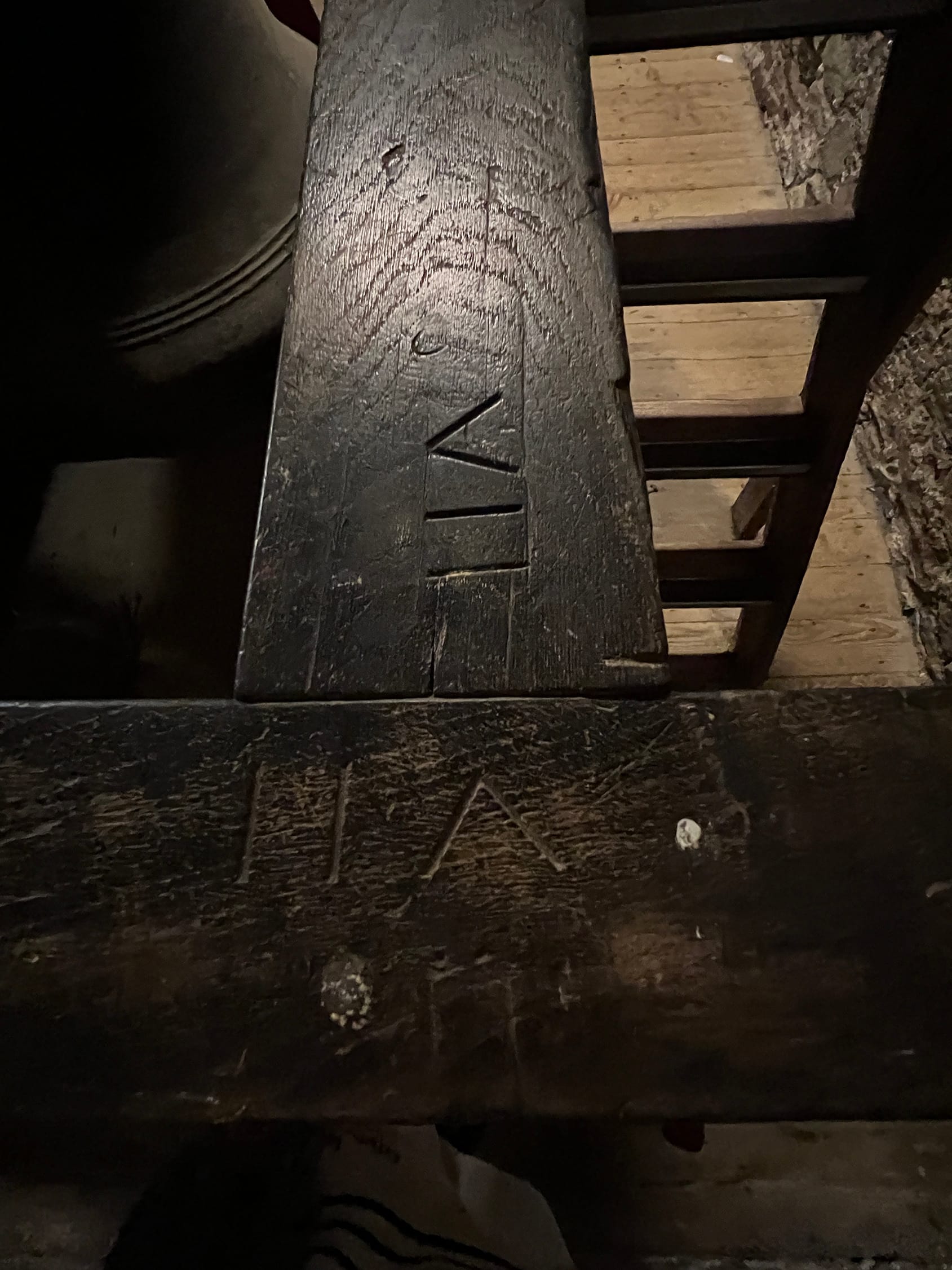
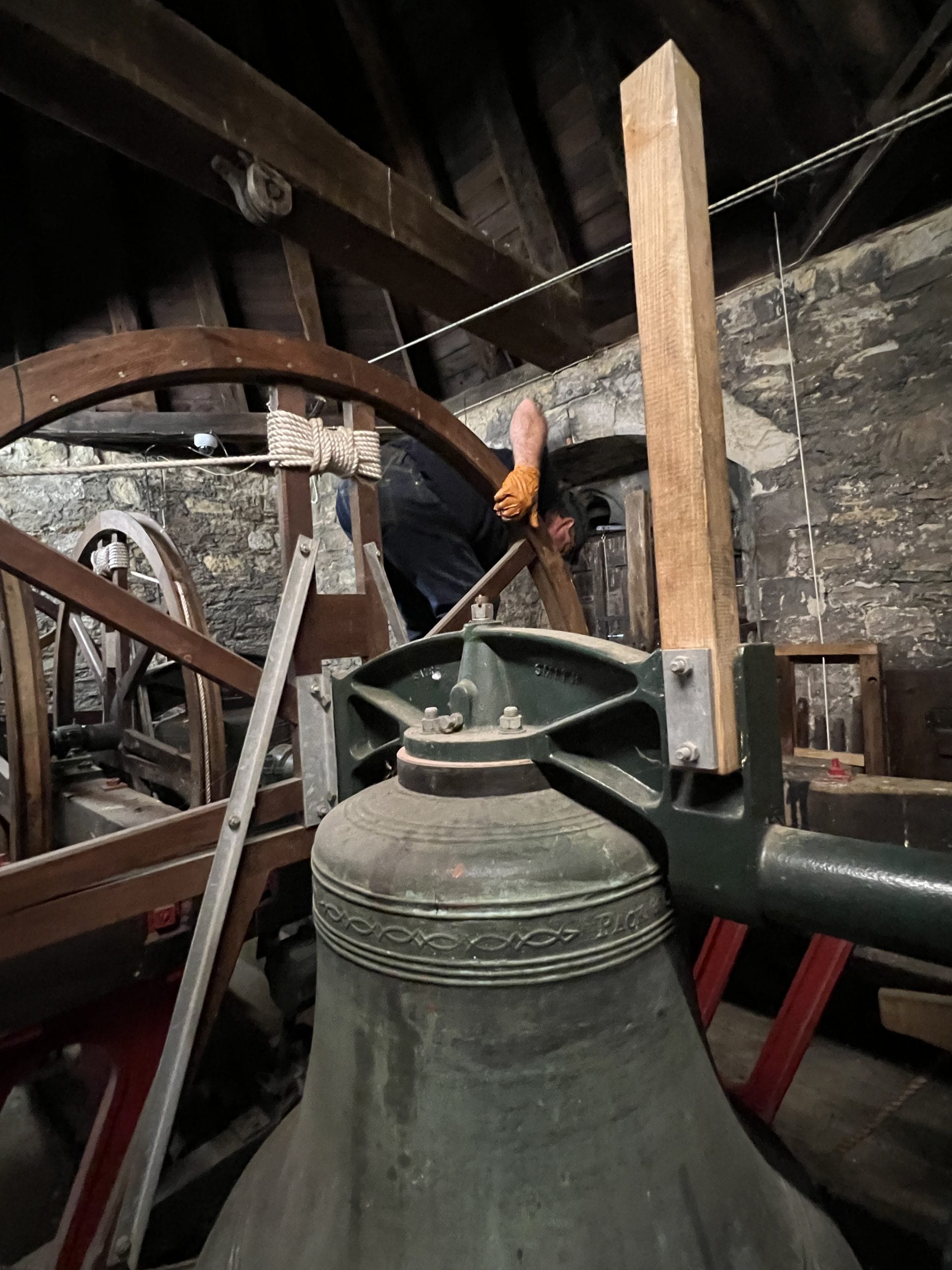
As he was working he chatted to the Rector, of Rye St Mary’s, Revd Paul White: “The clock is thought to date from the 1500s but I think it is earlier than that. What is so remarkable is that it is still doing what it was intended to do all those years ago and it’s here. I find that working on these ancient clocks is such an amazing connection to history. I find myself imagining all those people who heard this clock strike all through the centuries. It is quite humbling.
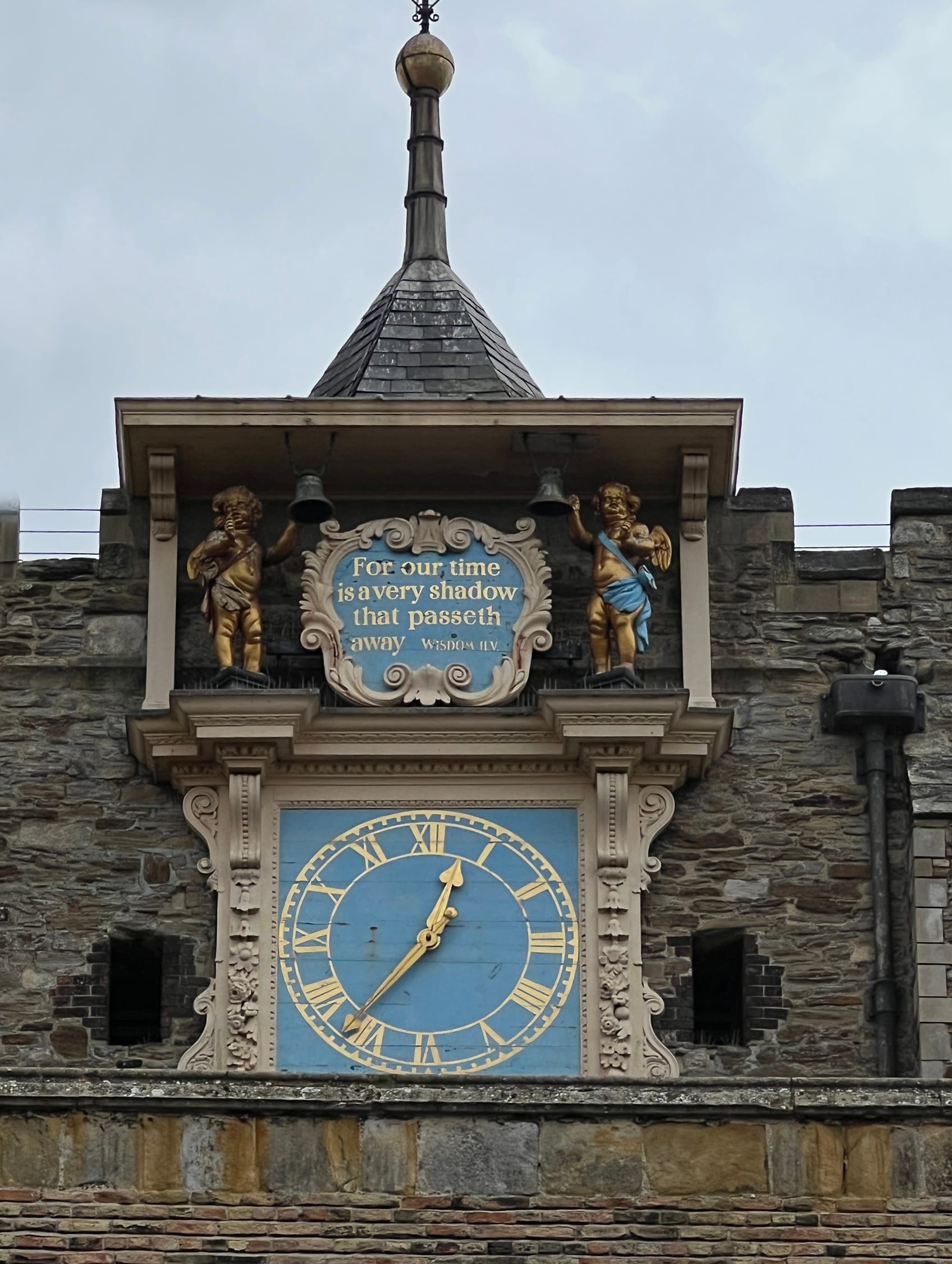
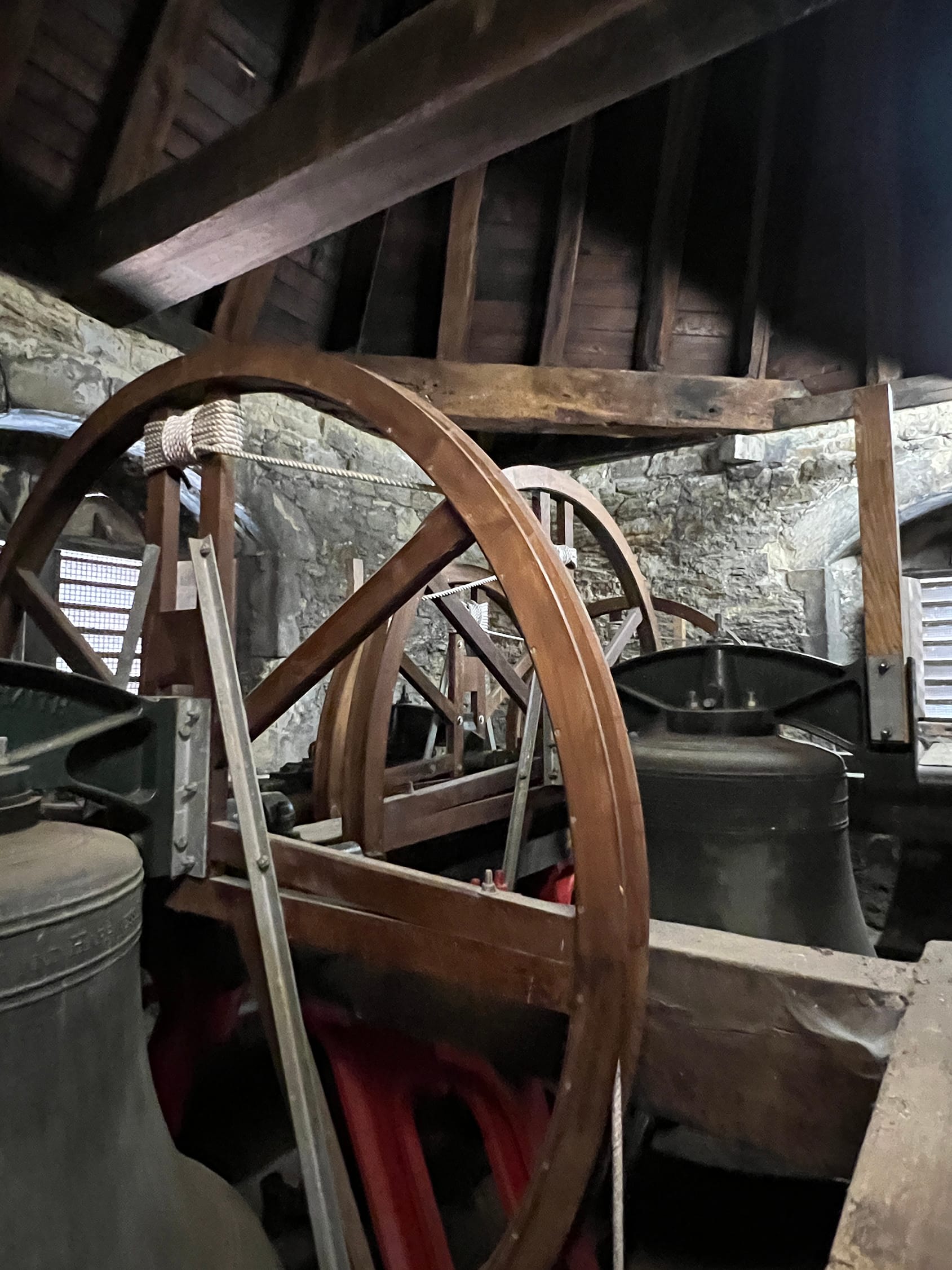
"The quarter train is newer and it is quite a lot smaller as it doesn’t require so much power as the bells for the quarter boys are so much smaller than the main clock bell. The reason the main strike needs such a big piece of machinery is that it has to lift a hammer heavy enough to get the full sound out of the bell and it has to do this quickly enough for the bells not to be too prolonged. A lot of power is needed in a very short period of time.
"It is amazing to think that they built this over 500 years ago and understood exactly what was needed. The blacksmith made the wheel: they will have spun it to make it a true circle and then marked all those teeth individually and cut them out with a saw then filed them into shape. We are so lucky today to have such advanced machinery and tools for making new clocks but this only emphasises for me how advanced they were all those years ago.
"I am thrilled to be here in Rye working on this fantastic clock, and an added bonus is to be able to get the quarter boys working so they can strike again as they have done through the centuries. It has only taken 50 years for my dream to be fulfilled."
The Cumbria Clock Company are responsible for the maintenance of the country’s oldest clock in Salisbury Cathedral, they have undertaken the repairs and automatic winding of the most important astronomical clock at Hampton Court Palace, as well as major restorations at Leeds Town Hall, the large clock at Manchester Town Hall, Manchester, Durham, Hereford and Worcester cathedrals.
One of the most exciting projects for the company recently has been the reinstalling of the Great Clock of Westminster, Big Ben. Over 1,000 components where painstakingly cleaned and repaired including wheels, pinions, bell-hammers and bearings.
During the four-year project, the company made scores of notes, drawings and photos to help with the complex task of putting it back together again. Neither Edmund Beckett, the designer, nor Edward John Dent, the installer, had kept detailed records of how it was constructed. The company has produced a detailed manual and a set of engineering diagrams for the benefit of future generations of clock keepers.